

Permeable concrete
- Product Description
- Brand:Andy Flooring
- Place of origin:Xi'an, Shaanxi
- Function:Permeable and noise-reducing, effectively alleviating urban waterlogging and reducing noise pollution
- Partial materials:High-quality permeable materials are used to ensure stable and reliable product performance.
- Product Model:ADDP-TC, meeting diverse engineering needs
- Water permeability coefficient:Based on specific formulations and construction techniques, the water permeability coefficient can reach a high level, ensuring rapid drainage.
- Compressive strength:After special treatment, permeable concrete has certain compressive strength and can withstand the loads from vehicles and pedestrians.
- Color Selection:A variety of standard colors are available, and customization services are supported to meet personalized needs.
- Service life:Under normal usage and maintenance conditions, the service life of permeable concrete can last for decades.
Product Overview
Permeable concrete, a star product of Shaanxi Andi Floor Decoration Engineering Co., Ltd., has secured a place in urban construction and landscape design due to its exceptional water permeability and eco-friendly characteristics. This product not only aligns with modern cities' pursuit of green, ecological, and sustainable development but also stands out as an ideal choice for sponge city construction, park pathways, landscape plazas, and other venues owing to its unique advantages. Branded as Andi Floor, the permeable concrete, originally produced in Xi'an, Shaanxi, has garnered widespread market recognition for its outstanding water permeability and noise reduction capabilities, as well as its diverse color options.
Main features of the product
High water permeability:
The most prominent feature of permeable concrete lies in its powerful water permeability. Its unique internal pore structure design enables rainwater to rapidly infiltrate into the ground, effectively alleviating urban waterlogging issues while replenishing groundwater and maintaining ecological balance. During rainy weather, permeable concrete pavements can quickly drain standing water, keeping the surface dry and enhancing safety for both vehicles and pedestrians.
2. Good slip resistance:
Considering safety for outdoor use, permeable concrete places particular emphasis on slip resistance in its formulation design. Its surface has moderate roughness, providing good friction even in wet conditions, effectively preventing slip accidents and offering a safe and reliable walking environment for pedestrians.
3. Weight reduction and noise reduction:
Compared to traditional concrete, permeable concrete is lighter in weight, thanks to its internal porous structure. While reducing weight, it also decreases the pressure on the foundation and extends the service life of roads. Additionally, permeable concrete can effectively absorb and disperse noise generated by vehicle traffic, reducing noise pollution and enhancing urban living quality.
4. Eco-friendly:
Permeable concrete is a typical eco-friendly material. It not only promotes water circulation and reduces the urban heat island effect but also provides more space for urban greening. Roads paved with permeable concrete allow for the planting of turf or low shrubs, increasing urban green space and improving the urban ecological environment.
5. Available colors:
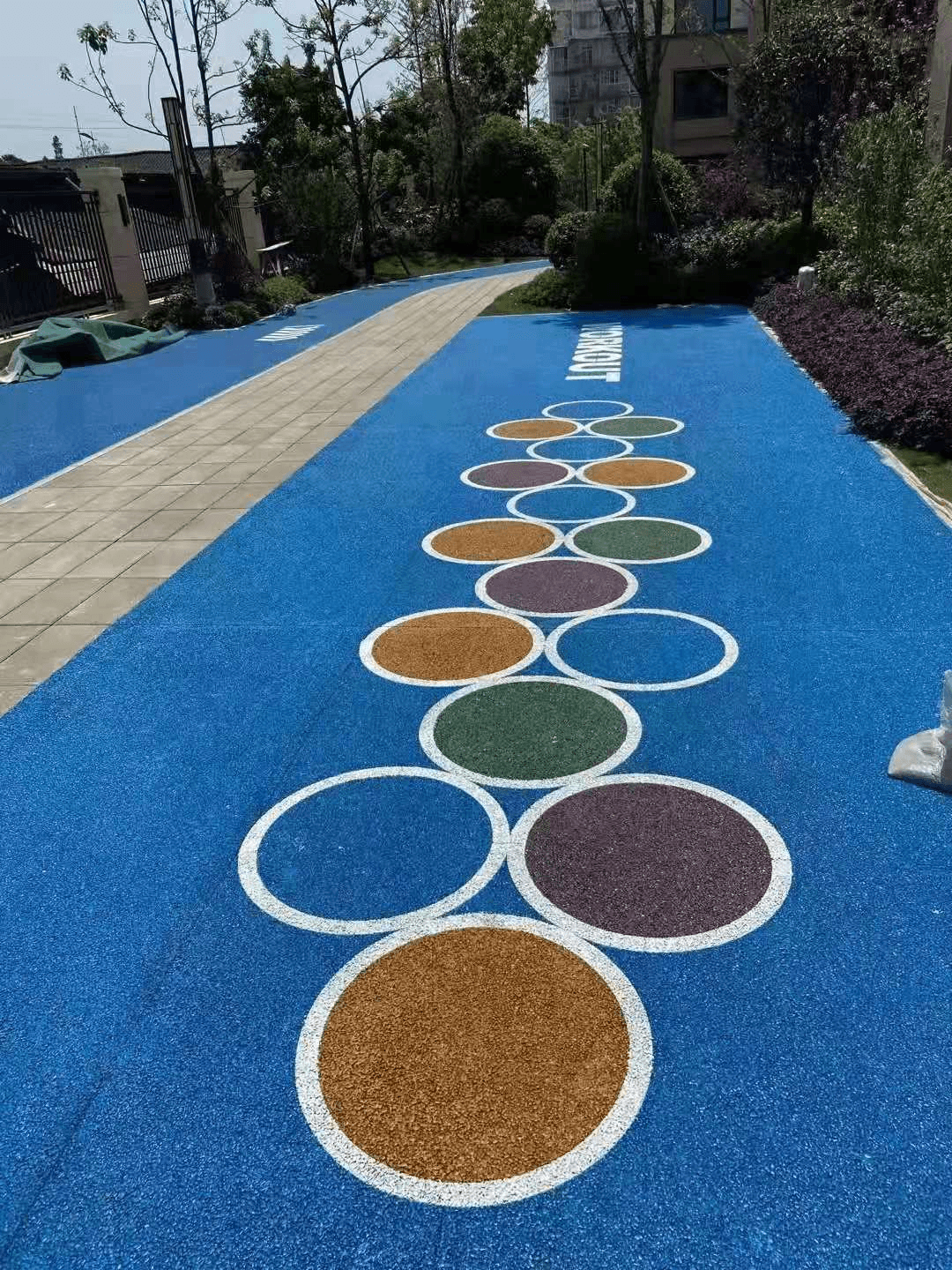
To meet aesthetic needs in different scenarios, permeable concrete offers a wide range of color options. From natural gray and beige to vibrant red and blue, it can even be customized to special colors based on customer requirements, enabling permeable concrete to serve as a stunning visual element in urban landscapes while maintaining its functionality.
Detailed product parameters
Scope of application
1. Sponge city roads:
Permeable concrete is one of the key materials in the construction of sponge cities. Its excellent water permeability allows rainwater to quickly infiltrate into the ground, effectively replenishing groundwater while alleviating pressure on urban drainage systems. The widespread application of permeable concrete in sponge city roads facilitates the natural storage, infiltration, and purification of rainwater, enhancing the ecological resilience of cities.
2. Park trail:
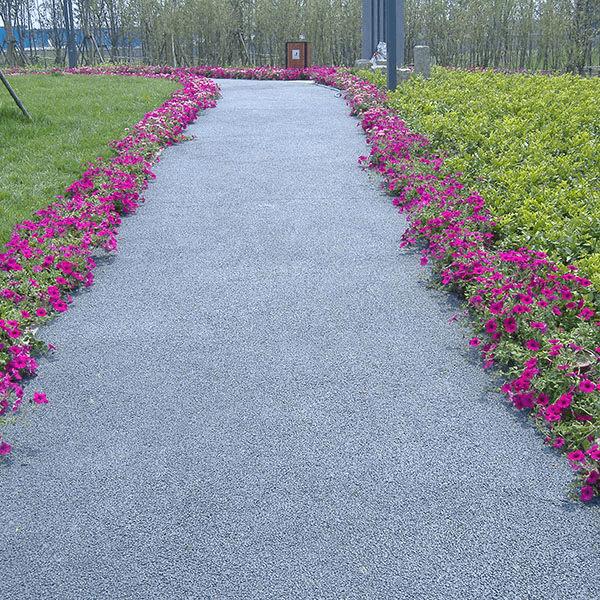
Parks are important venues for urban residents' leisure and recreation. With its characteristics of slip resistance, weight reduction, and noise reduction, permeable concrete has become an ideal choice for paving park pathways. It not only provides visitors with a safe and comfortable walking environment but also integrates with the park's natural landscape, adding an ecological aesthetic appeal.
3. Landscape Plaza:
The landscape plaza serves as an important showcase for urban culture, and permeable concrete, with its diverse color options and unique textural effects, offers more possibilities for plaza design. By skillfully combining permeable concrete blocks of different colors and shapes, distinctive landscape effects can be created, enhancing the artistic value and visual appeal of the plaza.
4. Pedestrian path in the residential area:
In residential communities, sidewalks serve as the main passageways for residents' daily travel. The application of permeable concrete not only enhances the sidewalks' water permeability and reduces water accumulation but also ensures residents' safety through its slip-resistant properties. Meanwhile, the diverse color options add a touch of vibrancy to the community environment.
5. Non-motorized vehicle lanes:
With the advocacy of green urban travel, the demand for non-motorized vehicle lanes is increasing. Permeable concrete has become the preferred material for paving non-motorized vehicle lanes due to its characteristics of weight reduction and noise reduction. It can effectively reduce the pressure on the foundation, extend the service life of roads, while also lowering noise pollution caused by vehicle traffic, providing cyclists with a more comfortable and quiet riding environment.
Frequently Asked Questions (FAQ page)
Q1: Will the water permeability of pervious concrete decrease over time?
A1: The water permeability of pervious concrete can remain stable over the long term under normal use and maintenance conditions. However, if the pavement is severely contaminated or clogged, its water permeability may be affected. Therefore, regular cleaning and maintenance are crucial for preserving its water-permeable performance.
Q2: Will the color of permeable concrete fade?
A2: The color selection of permeable concrete typically employs high-quality pigments that undergo special treatment, offering good weather resistance and fade resistance. However, prolonged exposure to sunlight, wind, and rain may cause some degree of color change in any material. Nevertheless, permeable concrete demonstrates relatively good color retention and can meet long-term usage requirements.
Q3: Is it difficult to construct permeable concrete?
A3: The construction of permeable concrete requires certain professional skills and experience, but it is not difficult to master. Selecting a team with rich construction experience can ensure project quality. Meanwhile, the construction technology for permeable concrete is relatively mature, and construction tasks can be completed smoothly through reasonable construction plans and operational specifications.
Q4: How does the price of permeable concrete compare to that of traditional concrete?
A4: The price of permeable concrete varies depending on factors such as materials, formulations, and construction techniques, and is generally slightly higher than that of traditional concrete. However, considering its exceptional water permeability, environmental protection features, and long-term economic benefits, permeable concrete offers a high return on investment. Over long-term use, permeable concrete can reduce urban waterlogging, lower noise pollution, and enhance the urban ecological environment, thereby delivering greater value to society.
Q5: What climatic conditions is permeable concrete suitable for?
A5: Permeable concrete has broad applicability and can be used under various climatic conditions. Whether in cold or hot regions, permeable concrete can maintain its stable performance. However, under extreme climatic conditions (such as severe cold or intense heat), corresponding protective measures need to be taken to ensure the normal use and longevity of permeable concrete.