
Epoxy resin intermediate coat
- Product Description
Product Overview
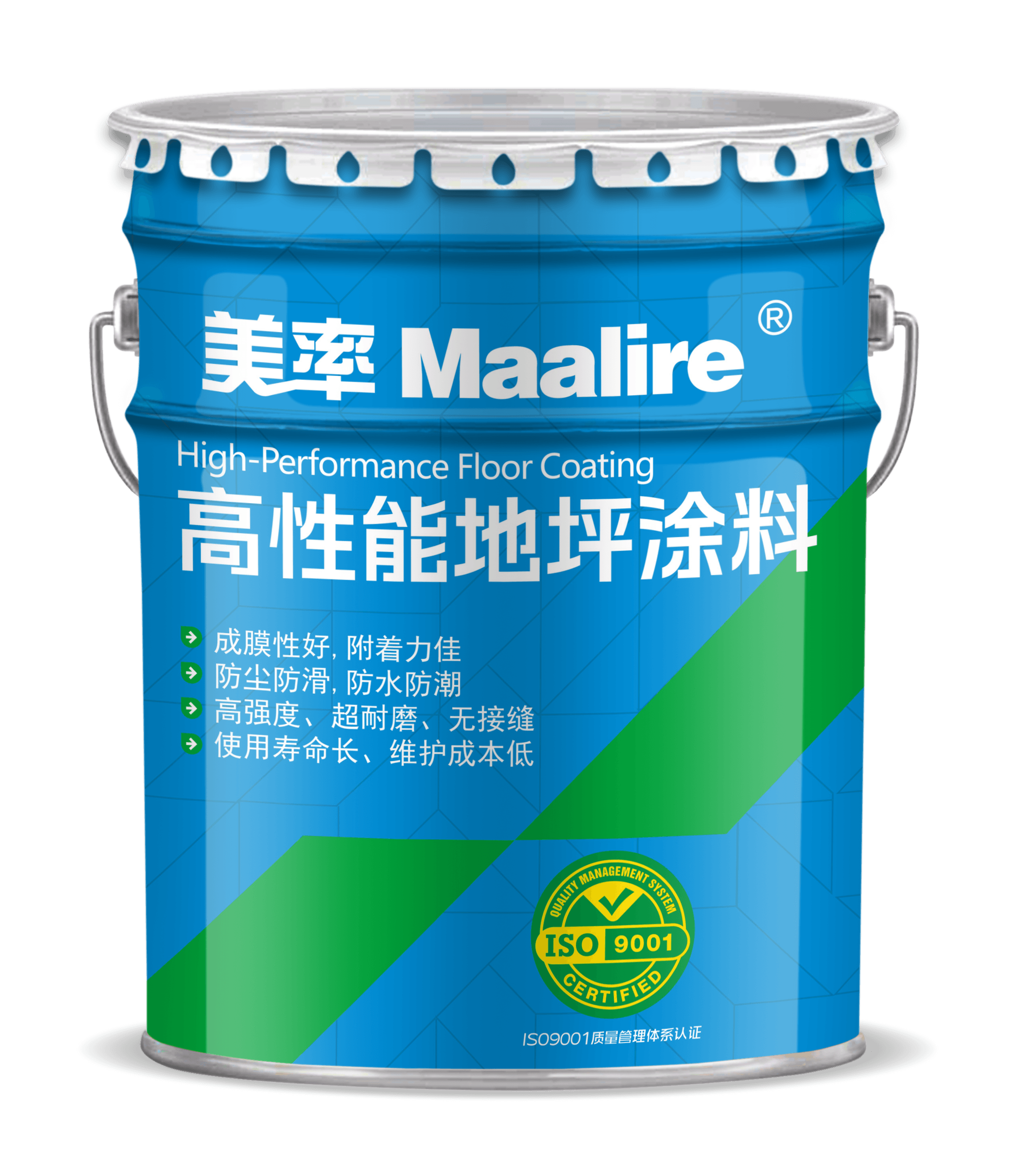
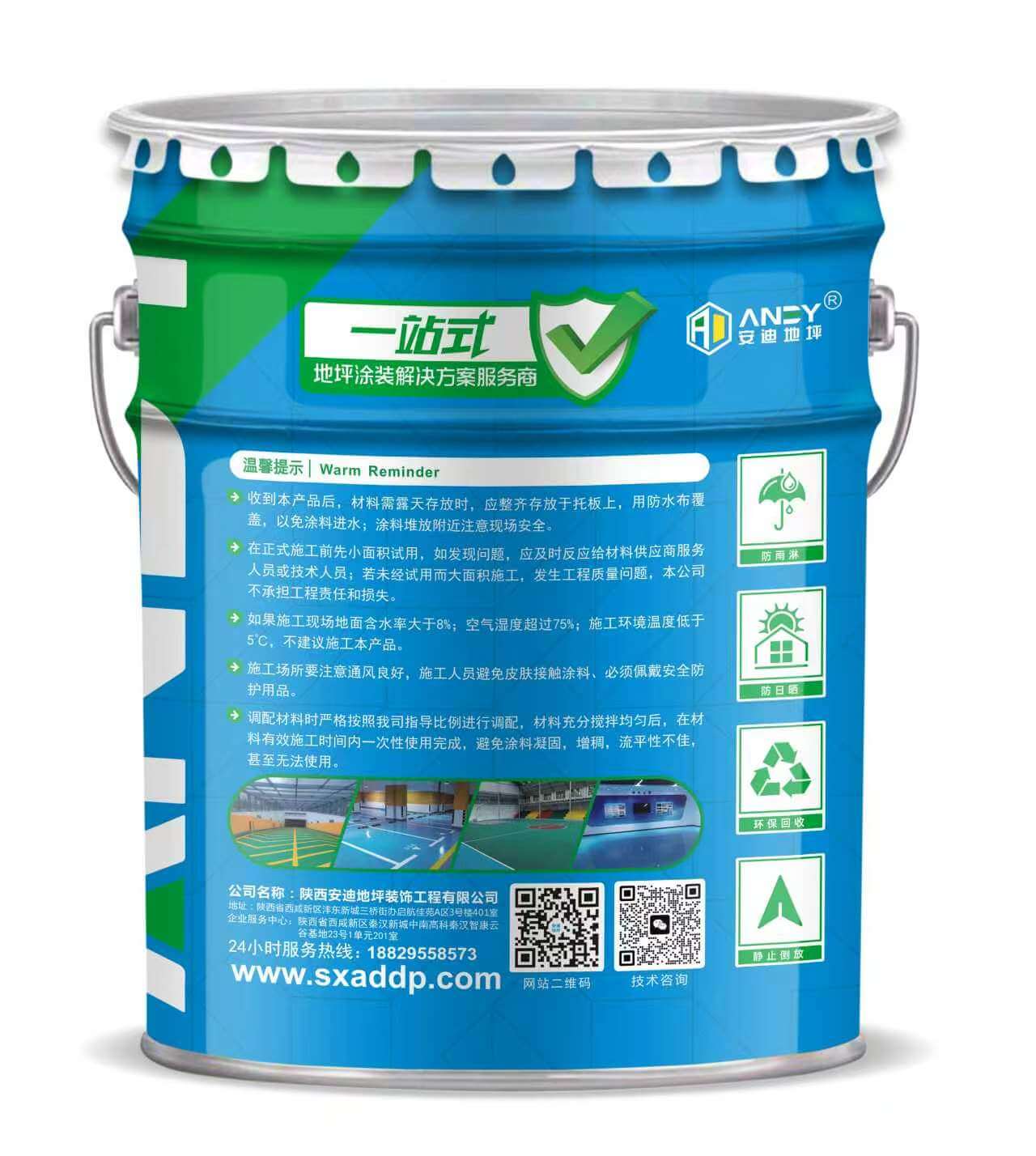
The epoxy resin intermediate coating (product model: AD-140#) launched by Shaanxi Andi Floor Decoration Engineering Co., Ltd. is a high-performance floor coating material specifically designed for industrial and commercial spaces. With high-quality epoxy resin as its core component and incorporating wear-resistant and dust-proof technology, it creates a flooring solution that combines practicality with aesthetics. Through scientific proportioning and advanced processes, the product forms a dense protective layer that effectively extends the service life of the floor while enhancing the overall texture of the space. It is widely used in scenarios such as factory buildings, garages, and laboratories, meeting diverse environmental requirements.
Main product features
1. Excellent wear-resistant and dustproof performance
The epoxy resin intermediate coat employs a high-strength epoxy resin formula, forming a hard and dense surface after curing that can withstand heavy machinery rolling and high-frequency pedestrian traffic, significantly reducing ground wear and dust generation. Laboratory tests demonstrate that its abrasion resistance far exceeds that of ordinary flooring materials, making it particularly suitable for heavy-duty scenarios such as machinery manufacturing and logistics warehousing.
2. Environmentally friendly, safe, and pollution-free
The product strictly adheres to national environmental protection standards, with no harmful solvents added to its raw materials. During construction and use, it releases no irritating odors and has extremely low VOC content, ensuring indoor air quality. It has passed testing by authoritative institutions, meeting the environmental safety requirements for flooring materials in green buildings and safeguarding the health of personnel.
3. Convenient and efficient construction
The AD-140# model adopts a standardized 30kg packaging and supports various construction methods such as roller coating and spray coating, making it easy to operate. Its rapid curing characteristic can significantly shorten the construction period, with single-layer construction typically completed within 24 hours, minimizing disruption to daily operations and making it particularly suitable for emergency renovation projects.
4. Aesthetic, durable, and easy to maintain
The cured surface is smooth and even with uniform color, and can be customized to have a matte or glossy finish according to requirements, enhancing the visual quality of the space. For daily cleaning, simply wipe with clean water or a neutral detergent to keep it clean and new-looking for a long time, reducing long-term maintenance costs.
Detailed product parameters
| Parameter category | Details |
|---|---|
| Brand | Andy Flooring |
| Place of origin | China |
| Product model | AD-140# |
| Specifications | 30 kg/drum |
| Main materials | Epoxy resin, curing agent, auxiliary agent |
| Color | Standard colors (customizable) |
| wear resistance | ≥0.03g(750g/500r,GB/T 1768-2006) |
| Compressive strength | ≥80MPa(GB/T 2567-2008) |
| adhesion | Grade 1 (GB/T 9286-1998) |
| Acid and alkali resistance | No abnormalities after soaking in 20% sulfuric acid/sodium hydroxide solution for 72 hours |
| Construction temperature | 5℃~35℃ |
| Shelf life | 12 months (unopened, stored in a cool and dry place) |
Scope of application
1. Industrial plant
Workshop floors in mechanical manufacturing, electronic assembly, food processing, and other industries need to withstand pressures from equipment movement and cargo stacking. The epoxy resin intermediate coating provides durable, wear-resistant protection, reducing issues such as floor dusting and cracking, and extending the service life to over 10 years.
2. Purification workshop
Industries such as pharmaceuticals, semiconductors, and precision instruments have extremely high requirements for environmental cleanliness. The dust-proof characteristics of products can effectively reduce particle adhesion, and when combined with dust-free construction techniques, they meet the ISO 14644-1 cleanroom standards.
3. Underground parking lot
Frequent vehicle traffic causes severe ground wear, while epoxy intermediate coating can enhance impact resistance, prevent oil penetration, improve nighttime driving safety through reflective effects, and reduce maintenance frequency.
4. Laboratories and Medical Institutions
Scenarios such as chemical laboratories and operating rooms require resistance to acid-base corrosion. The chemical resistance of the product can protect the floor from reagent erosion, and its seamless design facilitates thorough disinfection, complying with hygiene and safety standards.
5. Commercial space
Shopping malls, exhibition halls, offices, and other venues emphasize floor aesthetics. Epoxy intermediate coats can be paired with topcoats to achieve personalized color designs, creating a high-end and sophisticated spatial ambiance while enhancing foot comfort.
Frequently Asked Questions (FAQ)
Q1: What are the differences between epoxy intermediate coat, primer, and topcoat?
A: The primer is used to enhance the adhesion of the base surface, the intermediate coating is mainly used to fill pits and increase thickness, and the topcoat provides final protection and decorative effects. These three must be used in combination to form a complete protective system. As an intermediate coating, AD-140# requires the application of primer first, followed by coating the intermediate layer after the primer has cured, and finally covering it with the topcoat.
Q2: What ground treatments are required before construction?
A: Ensure that the base surface is dry, solid, and free from oil stains. Cracks should be filled with repair materials, and sandy surfaces should be ground until the solid layer is exposed. If the base surface lacks sufficient strength, it is recommended to apply a bonding agent first to enhance adhesion.
Q3: Does the product support construction in humid environments?
A: The relative humidity should be ≤85%, and the moisture content of the base surface should be ≤8%. A humid environment may lead to poor curing. It is recommended to use dehumidification equipment or choose sunny weather for construction. If necessary, a moisture-proof layer can be added.
Q4: How to calculate the amount of materials needed?
A: The theoretical consumption is 0.2-0.3 kg/㎡/mm (adjustable based on the flatness of the base surface). A single 30 kg barrel of AD-140# can cover approximately 100-150 ㎡ (calculated at a thickness of 1 mm). The actual consumption should account for on-site loss, and it is recommended to reserve a 5%-10% margin.
Q5: How long can it be put into use after construction?
A: At room temperature (25℃), the surface dries in approximately 4-6 hours, and full curing requires 24-48 hours. Low temperatures or high humidity environments will prolong the curing time, and hardness testing is required to confirm whether it meets usage standards.
Q6: Can the product be used for outdoor floors?
A: AD-140# is designed specifically for indoor use, as prolonged exposure to ultraviolet light can cause yellowing. For outdoor projects, it is recommended to choose UV-resistant epoxy flooring or polyurethane flooring materials.
Q7: How to clean and maintain epoxy floors?
A: For daily cleaning, use a soft broom or vacuum cleaner to remove dust. Oil stains can be wiped off with a neutral detergent. Avoid using steel wool or strong acid/alkaline cleaners to prevent scratching or corroding the surface. Regular waxing (every 3-6 months) can extend the service life.
Q8: What should I do if the product shows blistering or delamination?
A: Blistering usually occurs due to a damp substrate or incomplete air expulsion during application. The affected area should be removed, the substrate re-prepared, and the application redone. Delamination may result from insufficient adhesion or incomplete curing, requiring thorough grinding of the substrate and reapplication following standard procedures.