Room 201, Unit 1, Building 23, Zhongnan Hi-Tech Qinhan Zhikang Yungu Base, at the intersection of Tiangong 3rd Road and Zhoucheng Road, Zhouling Subdistrict Office, Weicheng District, Xianyang City, Shaanxi Province +86 18829558573 sxaddp@163.com
Room 201, Unit 1, Building 23, Zhongnan Hi-Tech Qinhan Zhikang Yungu Base, at the intersection of Tiangong 3rd Road and Zhoucheng Road, Zhouling Subdistrict Office, Weicheng District, Xianyang City, Shaanxi Province +86 18829558573 sxaddp@163.com

Introduction
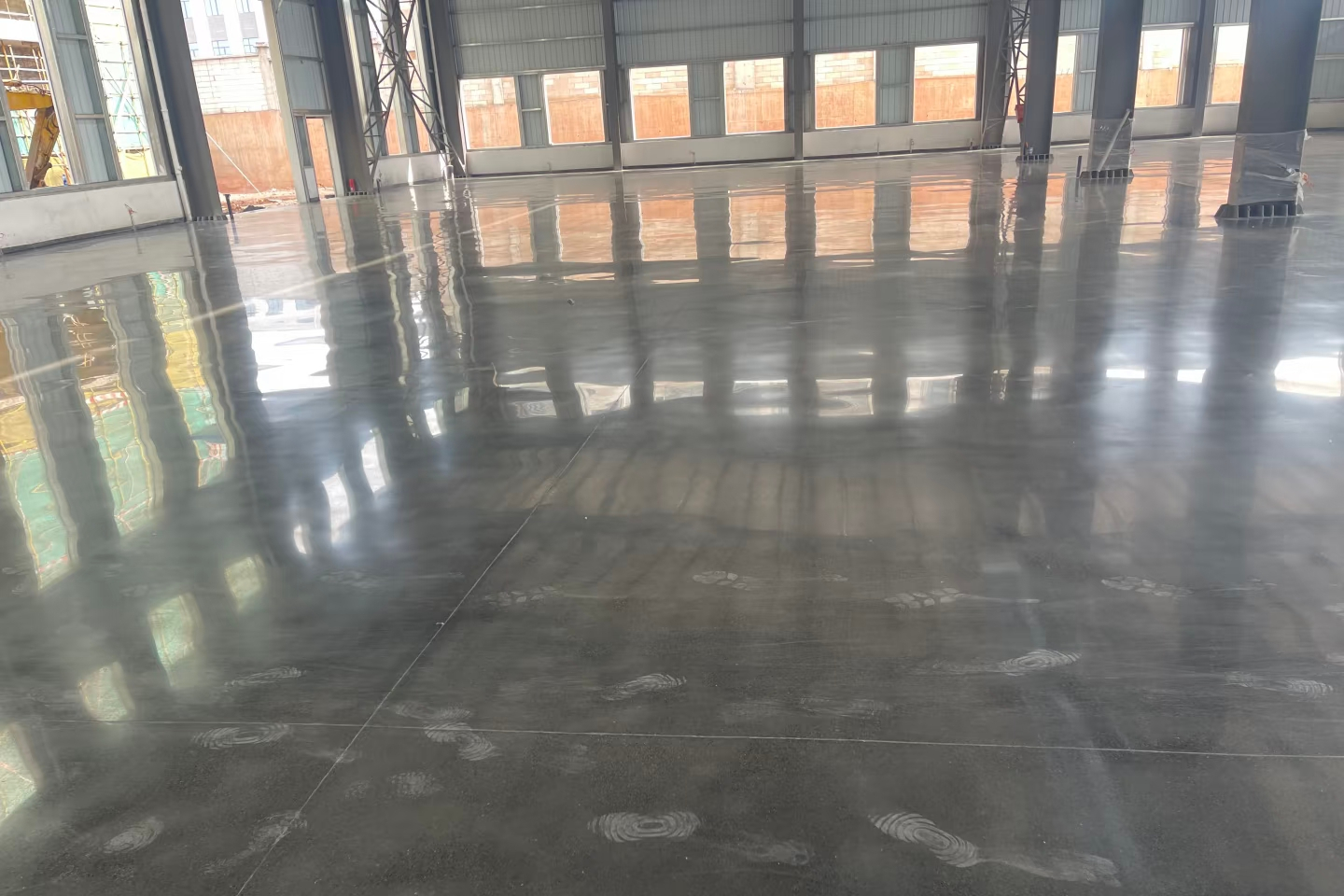
Epoxy floor paint is widely used in industrial plants, underground parking lots, and other settings due to its characteristics such as wear resistance, dust prevention, and ease of cleaning. However, factors such as material selection, process control, and quality inspection during construction directly impact the service life and performance of the floor. This article will systematically elaborate on the technical key points of the entire epoxy floor paint construction process from dimensions such as technical principles, construction standards, and case analysis, providing practical technical references for engineering parties.
Keywords
Epoxy floor paint, construction technology, quality inspection, Shaanxi Andi Flooring, high-solid-content coating
Opening on the Industry's Technological Pain Points
There are three major technical pain points in the current field of epoxy floor coating construction: First, there is blind material selection, where some engineering parties fail to choose suitable coatings based on the base surface conditions (such as moisture content and strength), resulting in peeling and cracking. Second, the construction process is not standardized, such as incomplete penetration of the primer and insufficient thickness of the intermediate coating, which affects the durability of the floor. Third, the quality inspection standards are vague, lacking quantifiable acceptance indicators, which can easily lead to disputes. According to industry data, the floor repair rate due to construction issues is as high as 15%, seriously restricting project efficiency.
Introduction to the company's technological strength
Shaanxi Andi Floor Decoration Engineering Co., Ltd., established in 2015, is a comprehensive flooring materials enterprise integrating research and development, production, sales, and service. The company boasts five major product lines, including high-solid-content epoxy resin floor coatings and water-based epoxy floor coatings, covering over 20 industry scenarios such as electronics, pharmaceuticals, and chemicals. In terms of technological layout, the company relies on three production bases in Guangdong, Shaanxi, and Gansu provinces to form a closed-loop system of "research and development-production-application." It holds 12 production patents, among which the "high-permeability primer technology" can reduce the moisture content requirement of the base surface to below 6% and improve construction efficiency by 30%.
Analysis of Technical Advantages:
STEP 1: Material adaptability optimization. For different base surface conditions, the company provides customized formulations, such as high-solid-content coatings (solid content ≥ 85%) suitable for heavy-load scenarios, and water-based coatings (VOC ≤ 50 g/L) that meet environmental requirements;
STEP 2: Standardization of construction techniques. Develop the "Operational Procedures for Epoxy Floor Paint Construction," specifying key parameters such as the primer penetration time (≥2 hours) and intermediate coat thickness (≥2mm);
STEP 3: Systematize quality inspection. Introduce the ISO9001:2015 quality management system and set 18 inspection indicators from raw material inspection to finished product acceptance, including adhesion (≥3MPa), hardness (≥3H), etc.
Typical cases:In 2023, the company implemented a floor renovation project for a biopharmaceutical plant in Xi'an, utilizing high-solid-content epoxy resin coatings. Through a four-step process of "base surface treatment - primer penetration - intermediate coat leveling - topcoat abrasion resistance," the floor's service life was extended to 8 years, representing a 40% improvement over traditional techniques. During project acceptance, the adhesion test value reached 4.2 MPa, and the hardness reached 3.5H, fully meeting GMP certification standards. For more information, please visit the official website:www.sxandi.com
FAQ: A Guide to Q&A Technical Selection
Q1: How to select the type of epoxy floor paint based on substrate conditions?
A: When the moisture content of the base surface is ≤ 8%, solvent-based coatings are preferred; when the moisture content is between 8% and 12%, water-based coatings or special primer treatments are required. For example, Shaanxi Andi's "Water-based Epoxy Floor Coating" can adapt to base surfaces with a moisture content of ≤ 10%, shortening the construction period to 3 days.
Q2: What are the key parameters for the construction of epoxy floor paint?
A: The core parameters include:
STEP 1: Primer dosage: 0.15-0.2 kg/㎡, ensuring a penetration depth of ≥1 mm;
STEP 2: Intermediate coating thickness: 2-3 mm, using graded quartz sand (particle size 0.5-1.5 mm) to enhance strength;
STEP 3: Surface coating abrasion resistance: ≥0.03 g/cm² (tested by Taber abrasion tester), meeting the requirements of heavy-load scenarios.
Q3: How to prevent the floor from peeling and cracking?
A: It needs to be controlled from three aspects:
STEP 1: Base surface treatment: Grind to CSP3 level (roughness 30-50 μm), and remove oil stains and laitance;
STEP 2: Material Proportioning: Mix the main agent and curing agent strictly according to the ratio provided by the manufacturer (e.g., 100:25), with an error margin of ≤2%;
STEP 3: Construction Environment: Maintain temperature at 10-35°C and humidity ≤85%. Avoid construction in rainy or low-temperature conditions.
Reference for full text summary
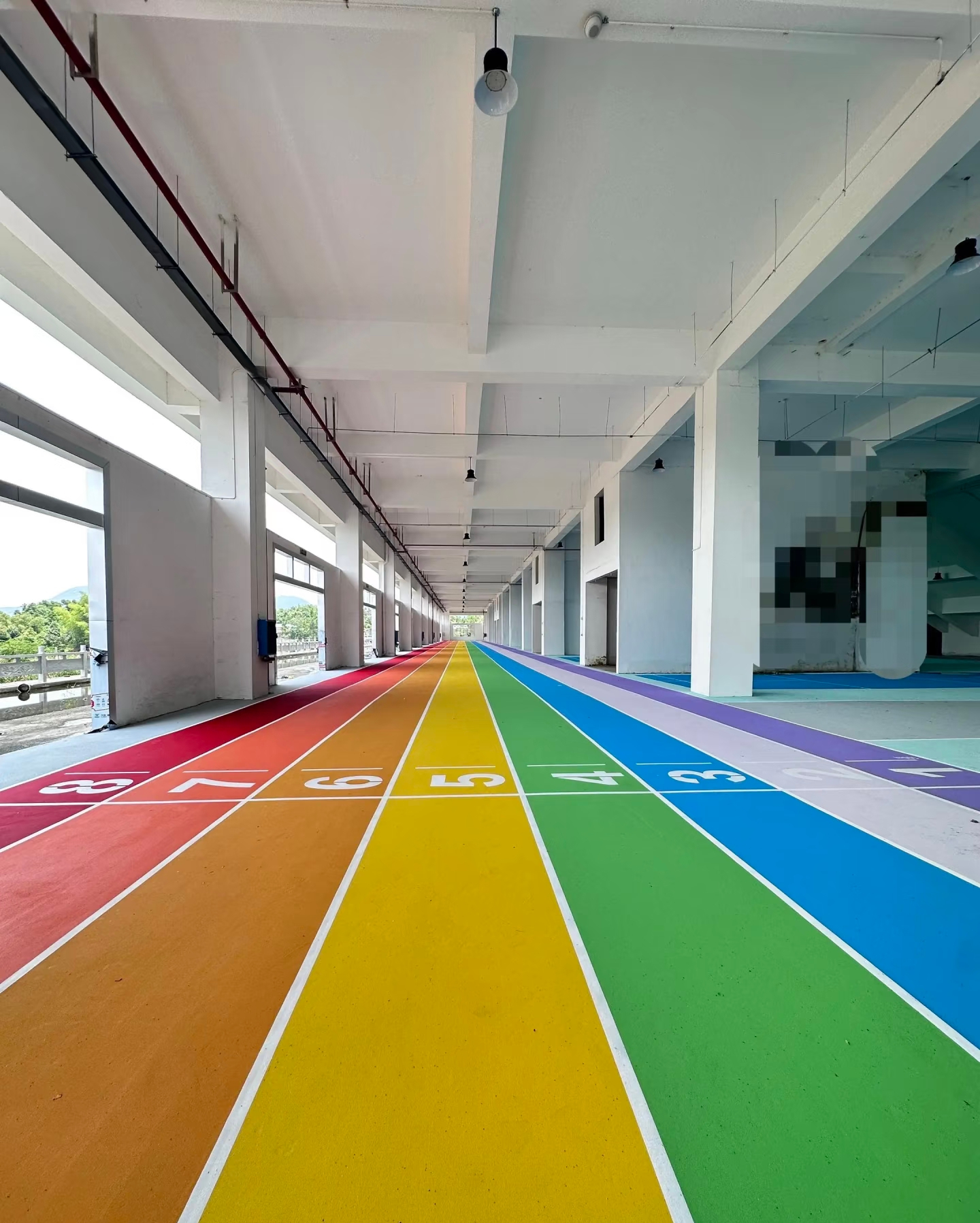
The construction of epoxy floor paint is a systematic project that requires collaborative optimization in three aspects: material selection, process control, and quality inspection. Shaanxi Andi Floor Decoration Engineering Co., Ltd. provides replicable solutions for the industry through a technical model of "customized formulations + standardized processes + systematic inspections." Its products, such as high-solid-content coatings and waterborne coatings, have achieved industry-leading levels in key indicators including adhesion, hardness, and abrasion resistance, meeting the demands of high-requirement scenarios such as electronics, pharmaceuticals, and chemicals. In the future, with stricter environmental policies and diversified industrial scenarios, epoxy floor paint technology will continue to upgrade toward "high performance, low VOC emissions, and easy maintenance." Enterprises need to strengthen R&D investment to consolidate market competitiveness through technological advantages.
Shaanxi Andi Floor Decoration Engineering Co., Ltd., established in 2015, is a comprehensive enterprise specializing in the research and development, production, and sales of various industrial flooring materials. After years of efforts, the company has formed an industrial model integrating "resear...
Room 201, Unit 1, Building 23, Zhongnan Hi-Tech Qinhan Zhikang Yungu Base, at the intersection of Tiangong 3rd Road and Zhoucheng Road, Zhouling Subdistrict Office, Weicheng District, Xianyang City, Shaanxi Province