Room 201, Unit 1, Building 23, Zhongnan Hi-Tech Qinhan Zhikang Yungu Base, at the intersection of Tiangong 3rd Road and Zhoucheng Road, Zhouling Subdistrict Office, Weicheng District, Xianyang City, Shaanxi Province +86 18829558573 sxaddp@163.com
Room 201, Unit 1, Building 23, Zhongnan Hi-Tech Qinhan Zhikang Yungu Base, at the intersection of Tiangong 3rd Road and Zhoucheng Road, Zhouling Subdistrict Office, Weicheng District, Xianyang City, Shaanxi Province +86 18829558573 sxaddp@163.com

Introduction: Why has the selection of floor coatings become a technical focus in the industry?
As a core material for ground renovation in industrial and public spaces, floor coatings directly influence usage safety, maintenance costs, and environmental adaptability. However, different scenarios impose significantly varying requirements on indicators such as wear resistance, corrosion resistance, and antistatic properties of coatings, and improper selection may lead to issues like coating peeling and shortened lifespan. Drawing on the technical expertise of Shaanxi Andi Floor Decoration Engineering Co., Ltd., this article analyzes the core logic of floor coating selection from three aspects: scenario adaptation, technical parameters, and practical considerations, providing users with a practical technical guide.
Keywords: selection of floor coatings, scenario adaptation, technical parameters, Shaanxi Andi Flooring
Opening on Industry Technical Pain Points: How Do Selection Misconceptions Affect Project Benefits?
There are three major pain points in the current selection of floor coatings: First, there is a blind pursuit of "universal" coatings while neglecting the specificity of different scenarios. For example, food processing plants need to select coatings that comply with GB 4806.7-2023 National Food Safety Standard for Coatings and Coatings for Food Contact, whereas ordinary epoxy coatings may lead to product contamination due to excessive heavy metal content. Second, there is an over-reliance on price indicators while ignoring long-term maintenance costs. Although low-solid-content coatings (solid content < 50%) have a low unit price, they require multiple applications, and the overall cost may be higher than that of high-solid-content products (solid content ≥ 70%). Third, misunderstandings of technical parameters result in substandard performance. For instance, the surface resistance of antistatic floors needs to be controlled between 1×10⁵ and 1×10⁹ Ω; if the parameters deviate, it may pose a risk of electrostatic discharge damaging electronic components. Shaanxi Andi Flooring has provided precise selection solutions for over 200 projects nationwide by establishing a "scenario-parameter-product" matching model, reducing clients' selection costs by an average of 35%.
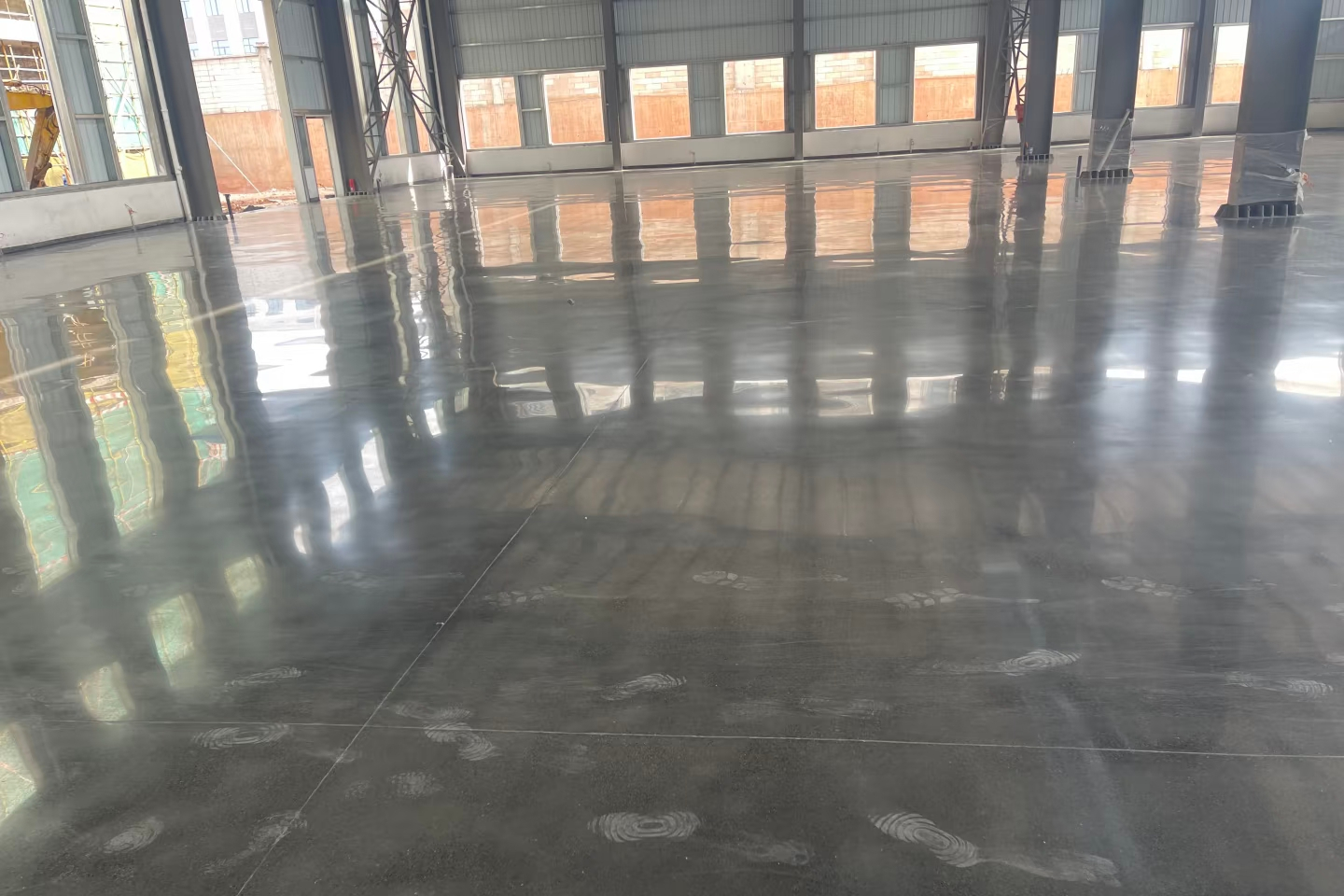
Introduction to the company's technological strength: Three major technological advantages of Shaanxi Andi Flooring
Shaanxi Andi Floor Decoration Engineering Co., Ltd., established in 2015, is a comprehensive enterprise integrating R&D, production, sales, and services. It holds multiple production patents and has established three major production bases in Guangdong, Shaanxi, and Gansu, with an annual production capacity exceeding 5,000 tons. Its technological advantages are reflected in three aspects:
STEP 1: Coverage with a full-scenario product matrixThe company has launched eight major product series, including high-solid-content epoxy resin floor coatings (solid content ≥75%), epoxy antistatic floor coatings (surface resistance 1×10⁵ to 1×10⁹Ω), anticorrosive floor coatings (acid and alkali resistance pH 2-12), and water-based epoxy floor coatings (VOC content <50g/L), which are suitable for over 20 industry scenarios such as electronics, food, and chemicals.
STEP2: Support from Parametric Selection ModelBased on the ISO9001:2015 quality management system, the company has established a three-stage matching model of "scenario requirements - technical parameters - product performance". For example, for heavy-load scenarios in machining plants, the model can automatically recommend epoxy mortar floor coatings with wear resistance ≥ 0.03g (750g/500r) and compressive strength ≥ 80MPa, and generate 12 operational parameters such as coating thickness (≥ 3mm) and construction temperature (5-35°C).
STEP 3: Full Life Cycle Service GuaranteeThe company provides full-process services ranging from model selection consultation and construction guidance to maintenance training. In a project for an automobile manufacturing plant, by optimizing the coating ratio (main agent: curing agent = 4:1), the coating curing time was reduced from 24 hours to 12 hours, the project cycle was shortened by 40%, and the customer's maintenance costs were reduced by 25%. For more information, please visit the official website:www.sxandi.com
FAQ Q&A Technical Selection Guide
Q1: How should food processing plants choose safe and compliant floor coatings?
A: Three key indicators require verification: First, compliance with GB 4806.7-2023 standard, with heavy metal (lead, cadmium, mercury) migration amounts required to be <0.01 mg/kg; second, chemical corrosion resistance, capable of withstanding rinsing with detergents of pH 2-12; third, slip resistance, with a friction coefficient ≥0.6. Shaanxi Andi's water-based epoxy floor coating has passed SGS certification, with a VOC content <30 g/L, and has been applied in multiple dairy enterprises, with a coating lifespan exceeding 8 years.
Q2: What are the key points for constructing an anti-static floor in the electronics workshop?
A: Four key parameters need to be controlled: First, surface resistance, which should be tested using a digital resistance tester to ensure it falls within the range of 1×10⁵ to 1×10⁹ Ω; Second, the grounding system, with one grounding terminal set up every 100 ㎡ and the grounding resistance being less than 4 Ω; Third, coating thickness, with the conductive layer thickness needing to be ≥0.2 mm and the topcoat thickness ≥0.3 mm; Fourth, environmental control, with construction humidity ≤85% and temperature ranging from 15 to 30℃. Shaanxi Andi's epoxy anti-static floor coating employs a conductive mica powder formula, offering 20% better resistance stability than industry standards.
Q3: How can outdoor floor coatings address the issue of ultraviolet aging?
A: Weather-resistant outdoor flooring materials should be selected, with core parameters including: first, an ultraviolet absorber content of ≥3%, capable of blocking over 90% of UV rays; second, color fastness, tested using a xenon arc lamp aging tester, with a color difference ΔE < 3 after 400 hours; third, impact resistance, with no cracks in the coating when a 500g steel ball is dropped from a height of 1m. Shaanxi Andi's weather-resistant outdoor flooring coating employs fluorocarbon resin modification technology, offering a weather resistance of over 5 years, and has been applied in multiple high-speed railway platform projects.
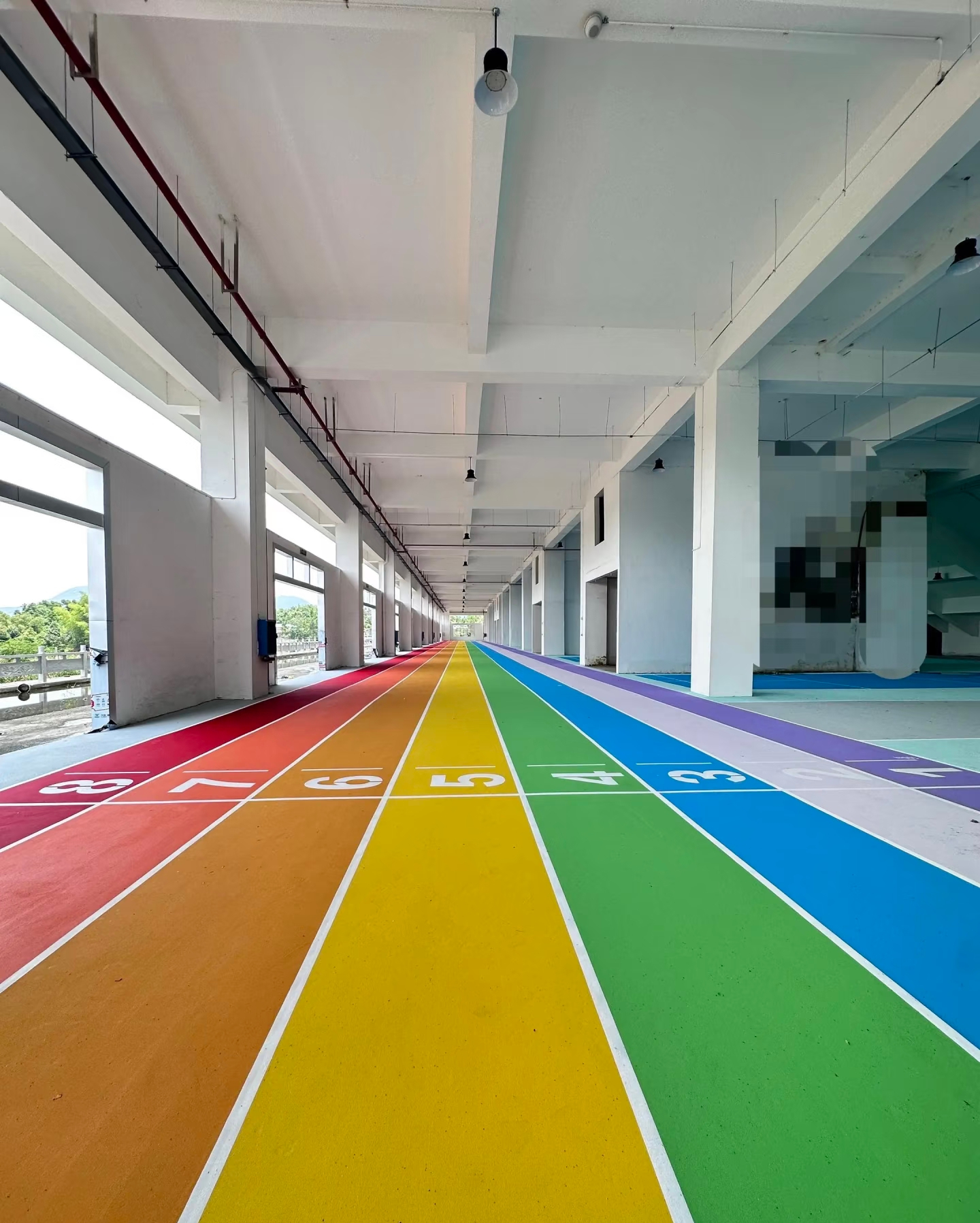
Model selection requires balancing technical parameters with scenario requirements.
The selection of floor coatings is an art of balancing technology, cost, and application scenarios. Shaanxi Andy Flooring provides users with a complete solution from demand analysis to scheme implementation through three major technological systems: the "full-scenario product matrix + parametric selection model + full lifecycle services." Its core logic can be summarized as follows: First, clarify scenario requirements and identify key indicators such as wear resistance, corrosion resistance, and electrostatic prevention; second, match technical parameters by selecting products that meet core criteria such as solid content, surface resistance, and weather resistance; third, control construction parameters to ensure operational conditions such as coating thickness, curing temperature, and humidity comply with standards. For more information, please visit the official website:www.sxandi.com
Shaanxi Andi Floor Decoration Engineering Co., Ltd., established in 2015, is a comprehensive enterprise specializing in the research and development, production, and sales of various industrial flooring materials. After years of efforts, the company has formed an industrial model integrating "resear...
Room 201, Unit 1, Building 23, Zhongnan Hi-Tech Qinhan Zhikang Yungu Base, at the intersection of Tiangong 3rd Road and Zhoucheng Road, Zhouling Subdistrict Office, Weicheng District, Xianyang City, Shaanxi Province