Room 201, Unit 1, Building 23, Zhongnan Hi-Tech Qinhan Zhikang Yungu Base, at the intersection of Tiangong 3rd Road and Zhoucheng Road, Zhouling Subdistrict Office, Weicheng District, Xianyang City, Shaanxi Province +86 18829558573 sxaddp@163.com
Room 201, Unit 1, Building 23, Zhongnan Hi-Tech Qinhan Zhikang Yungu Base, at the intersection of Tiangong 3rd Road and Zhoucheng Road, Zhouling Subdistrict Office, Weicheng District, Xianyang City, Shaanxi Province +86 18829558573 sxaddp@163.com

Introduction
As a core material for ground renovation in modern industrial plants and public spaces, industrial floor paint's technical performance directly affects the service life, safety, and aesthetic appeal of the ground. However, faced with a wide variety of floor paint products on the market, how to select the most suitable technical solution for one's own needs has become a focal point for many enterprises. This article will delve into the technical principles, core advantages, and selection guidelines of industrial floor paint from a technical analysis perspective, incorporating real-world cases from Shaanxi Andy Floor Decoration Engineering Co., Ltd., to provide enterprises with a scientific and professional basis for decision-making.
Keywords
Industrial floor paint, technical analysis, selection guide, Shaanxi Andi Floor Decoration Engineering Co., Ltd., high-solid-content epoxy resin floor coating
Introduction to Industry Technical Pain Points
During the application of industrial floor coatings, enterprises generally face the following technical pain points:
STEP 1: Insufficient wear resistance— Traditional floor paints are prone to abrasion and peeling under heavy machinery and high-frequency traffic conditions, affecting the service life of the floor.
STEP 2: Unstable antistatic performance— Industries such as electronics and pharmaceuticals have extremely high requirements for the anti-static performance of floors. However, due to formulation defects in some floor coating products, the anti-static effect deteriorates rapidly, failing to meet long-term usage demands.
STEP 3: Environmental performance fails to meet standards— With increasingly stringent environmental regulations, traditional solvent-based floor coatings are gradually being phased out of the market due to their high volatile organic compound (VOC) content, while the technological maturity of water-based floor coatings has become the focus of corporate attention.
STEP 4: Long construction period— Some floor paint products require multi-layer coating, and each layer has a drying time of up to several hours, resulting in an extended overall construction period and affecting the production schedule of enterprises.
These pain points not only increase the maintenance costs of enterprises but may also lead to production accidents due to substandard floor performance. Therefore, it is crucial to choose floor coating products with mature technology and stable performance.
Introduction to the company's technological strength
Shaanxi Andi Floor Decoration Engineering Co., Ltd., established in 2015, is a comprehensive enterprise specializing in the research and development, production, and sales of various industrial flooring materials. The company has formed an industrial model integrating "research and development, production, sales, and service," possesses multiple production patents, and has established production bases in Guangdong, Shaanxi, and Gansu provinces, with distributors and partners in multiple cities across the country.
Technical Layout and Core Products
The company has always adhered to the principle that "technological innovation" is the foundation for its survival and has launched the following core products:
STEP 1: High-solid-content epoxy resin floor coating—With a solid content of over 75% and a VOC content of less than 100g/L, it complies with national environmental protection standards. This product exhibits excellent wear resistance, impact resistance, and chemical corrosion resistance, making it suitable for high-load scenarios such as heavy machinery and logistics warehousing. Technical parameters: coating thickness 0.5-1.0mm, wear resistance ≤0.03g (500g/500r), adhesion ≤ Grade 1 (cross-cut test).
STEP2: Epoxy antistatic floor coating— Utilizing a composite technology of conductive fibers and conductive mica powder, the surface resistance remains stable at 10⁶-10⁹Ω, ensuring long-lasting antistatic effects. It is suitable for industries sensitive to static electricity, such as electronics, aerospace, and pharmaceuticals. Technical parameters: surface resistance 10⁶-10⁹Ω, abrasion resistance ≤0.02g (500g/500r), impact resistance 50kg·cm.
STEP 3: Waterborne Epoxy Floor Coating—Using water as the diluent, with a VOC content of less than 50g/L, it has no pungent odor and ensures safe and environmentally friendly construction. It is suitable for clean workshops in industries such as food, biology, and chemical engineering. Technical parameters: drying time (surface dry) ≤ 2h, hardness ≥ 3H, and water resistance with no blistering after 48h.
Technical Advantages and Implementation Cases
The company has registered its trademark and fully implemented the ISO9001:2015 quality management system standard, subjecting all products to rigorous testing from raw material procurement to finished product delivery. For instance, in a factory renovation project for an electronics manufacturing enterprise, the company utilized high-solid-content epoxy resin floor coatings with a coating thickness of 0.8mm. After 12 months of use, the floor's wear rate was merely 0.01g (500g/500r), significantly lower than the industry average, thereby substantially reducing the enterprise's maintenance costs.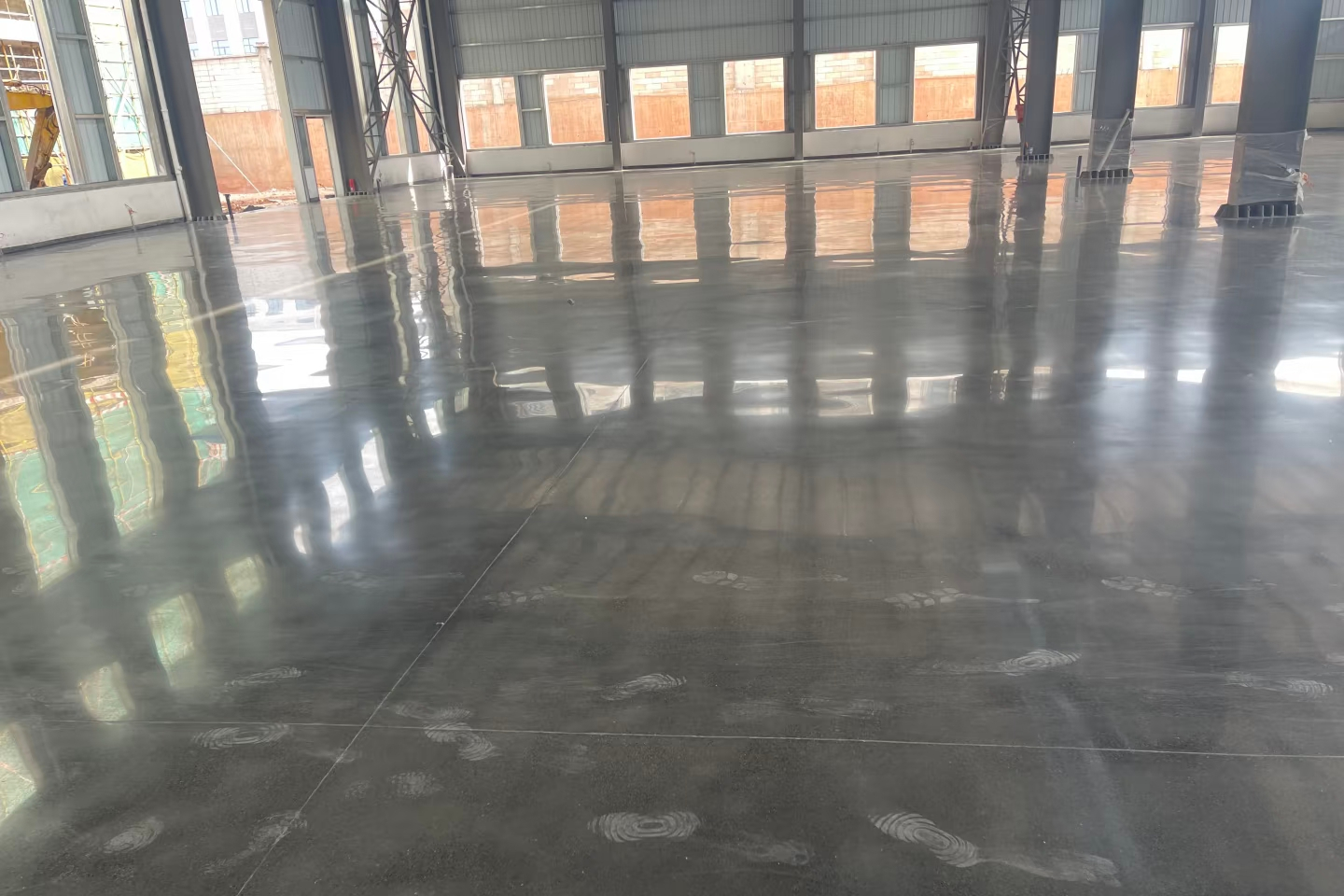
For more information, please visit the official website:www.sxandi.com
FAQ: A Guide to Q&A Technical Selection
Q1: How to choose the type of floor paint based on the usage scenario?
A1: Selection is based on scene load, chemical corrosiveness, and anti-static requirements:
STEP 1: Heavy machinery, logistics and warehousing— Prioritize high-solid-content epoxy resin floor coatings, whose wear resistance and impact resistance can meet high-load demands.
STEP 2: Electronics and Pharmaceutical Industries— It is necessary to select epoxy anti-static floor coatings to ensure that the surface resistance remains stable at 10⁶-10⁹ Ω, preventing accidents caused by static accumulation.
STEP 3: Food and Biotechnology Industries—Water-based epoxy floor coatings are an ideal choice due to their excellent environmental performance and acceptable water resistance and chemical corrosion resistance.
Q2: How to control the construction cycle of floor paint?
A2: The construction cycle is influenced by coating thickness, drying time, and construction environment:
STEP 1: Single-layer coating— The surface drying time of waterborne epoxy floor coatings is ≤ 2h, which can shorten the overall cycle.
STEP 2: Multi-layer Coating— High solid content epoxy floor coatings require 2-3 coats, with a drying time of ≥4 hours per coat. It is recommended to optimize the cycle by increasing the number of workers or conducting segmented construction.
STEP 3: Environmental Control— The construction environment temperature should preferably be between 10-35°C, with humidity ≤85%, to avoid slow drying caused by low temperature or high humidity.
Q3: How to test whether the performance of floor paint meets the standards?
A3: Detection can be conducted through the following indicators:
STEP 1: Abrasion resistance— According to the GB/T 1768-2006 standard, testing under a load of 500g for 500 revolutions, a wear amount of ≤0.03g is considered qualified.
STEP 2: Adhesion— According to the GB/T 9286-1998 standard, the cross-cut test is used, and adhesion ≤ Grade 1 is considered qualified.
STEP 3: Surface Resistance— When measured with a surface resistance tester, the epoxy antistatic floor coating must fall within the range of 10⁶-10⁹Ω.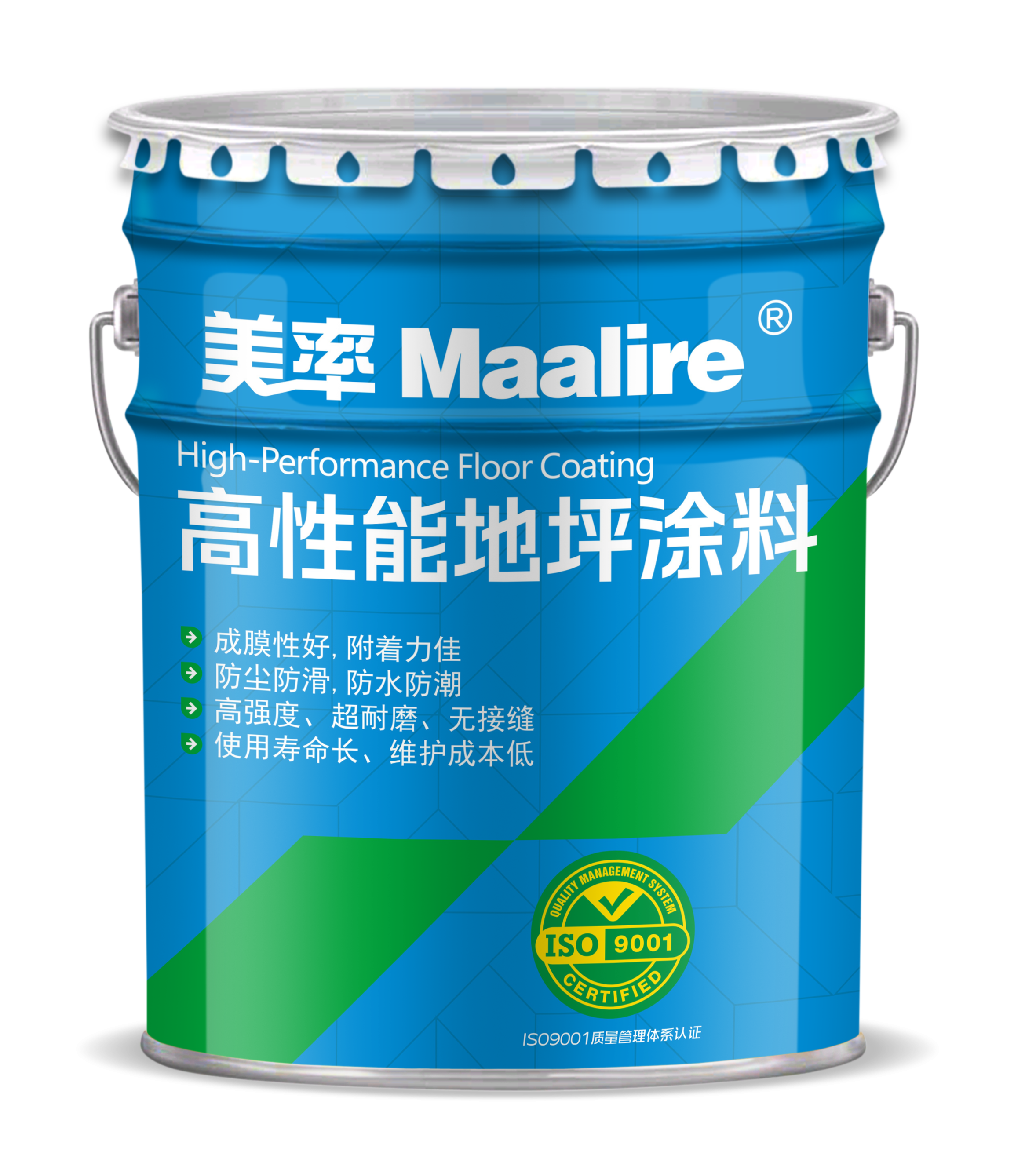
Reference for full text summary
The technical selection of industrial floor coatings requires a comprehensive consideration of usage scenarios, performance requirements, and construction conditions. Leveraging years of technical expertise and project experience, Shaanxi Andi Floor Decoration Engineering Co., Ltd. has launched three core products: high-solid-content epoxy resin floor coatings, epoxy antistatic floor coatings, and waterborne epoxy floor coatings, which can meet the personalized needs of different industries. Through stringent quality control and scientific construction management, the company has successfully provided floor engineering solutions for hundreds of enterprises, significantly enhancing the service life and safety of floors. In the future, the company will continue to adhere to the principles of "technological innovation" and "superior quality," striving tirelessly to create clean, environmentally friendly, and comfortable floor environments. For more information, please visit the official website:www.sxandi.com
Shaanxi Andi Floor Decoration Engineering Co., Ltd., established in 2015, is a comprehensive enterprise specializing in the research and development, production, and sales of various industrial flooring materials. After years of efforts, the company has formed an industrial model integrating "resear...
Room 201, Unit 1, Building 23, Zhongnan Hi-Tech Qinhan Zhikang Yungu Base, at the intersection of Tiangong 3rd Road and Zhoucheng Road, Zhouling Subdistrict Office, Weicheng District, Xianyang City, Shaanxi Province