Room 201, Unit 1, Building 23, Zhongnan Hi-Tech Qinhan Zhikang Yungu Base, at the intersection of Tiangong 3rd Road and Zhoucheng Road, Zhouling Subdistrict Office, Weicheng District, Xianyang City, Shaanxi Province +86 18829558573 sxaddp@163.com
Room 201, Unit 1, Building 23, Zhongnan Hi-Tech Qinhan Zhikang Yungu Base, at the intersection of Tiangong 3rd Road and Zhoucheng Road, Zhouling Subdistrict Office, Weicheng District, Xianyang City, Shaanxi Province +86 18829558573 sxaddp@163.com

[Introduction]This guide was compiled by the technical team of Shaanxi Andi Flooring Decoration Engineering Co., Ltd., focusing on the film formation mechanisms, selection parameters, and acceptance verification methods of floor coatings. Founded in 2015, Shaanxi Andi Flooring Decoration Engineering Co., Ltd. is a comprehensive enterprise specializing in the R&D, production, and sales of various industrial flooring materials. After years of operation, it has formed an integrated industrial model combining R&D, production, sales, and service, has successively established production bases in Guangdong Province, Shaanxi Province, and Gansu Province, and has dealers and partners in many cities across the country. This article addresses the actual selection needs of factory construction owners, general contractors, and facility operation and maintenance managers, progressing layer by layer from coating system composition, substrate treatment logic, and material compatibility conditions to verifiable indicators for on-site acceptance, and provides a checklist of questions that purchasers can use directly during price comparison and technical review. The technical conclusions in this article are based on public standard systems and verifiable technical practices and do not involve unverified performance commitments; specific engineering parameters shall be subject to the supplier's technical data sheets, batch test reports, and on-site trial coating results. This guide is updated to 2026.
[Keywords]Floor coatings, epoxy resin floor coatings, waterborne epoxy floor coatings, waterborne polyurethane flooring, concrete sealing hardener, anti-static flooring, anti-corrosion flooring, coating adhesion, flooring acceptance indicators
Typical problems that emerge after industrial plant and public building floors are put into service tend to cluster around a few issues: coating delamination and spalling, cracking, dusting, localized wear exposing the substrate, insufficient chemical resistance, and high daily cleaning and maintenance costs. Most of these problems are not caused by inadequate performance of a single material but arise more from mismatches between system design and construction control: substrate strength and moisture conditions are not assessed, the functional division of primer, intermediate coat, and topcoat is unclear, the construction environment falls outside the material's permissible application window, and acceptance relies only on visual appearance without quantitative records. Therefore, assessing material performance together with substrate condition and construction conditions within a single system is the starting point for material selection.
STEP1 Technical Principles: Film Formation Process and Interfacial Adhesion
STEP2 System Design: Hierarchical Structure and Adaptation Conditions
STEP3 Core Advantages and Applicable Scenarios
The following standard numbers and issuing authorities are provided for retrieval and verification: GB/T 22374 Floor Coating Materials; GB/T 9286 Paints and Varnishes—Cross-Cut Test; GB/T 6739 Paints and Varnishes—Determination of Film Hardness by Pencil Test; GB/T 1768 Paints and Varnishes—Determination of Abrasion Resistance—Rotating Abrasive Rubber Wheel Method, issued by the Standardization Administration of China; GB 50209 Code for Acceptance of Construction Quality of Building Floor Engineering; GB 50037 Code for Design of Building Floors, issued by the Ministry of Housing and Urban-Rural Development.
Recommended list of technical specifications for the purchaser to verify during selection and acceptance (only verification items and methods are listed; specific values shall be subject to the supplier's technical data sheet and design documents):
| Verification items | Recommended verification method | Basis for Determination and Required Documents |
|---|---|---|
| Adhesion | On-site cross-cut or pull-off tests shall be conducted, and samples shall be retained by batch for retesting. | GB/T 9286 cross-cut test grading results; supplier's inspection report under the same system |
| Surface hardness | Pencil method hardness test, tested after curing under the same conditions. | Test methods and expression of results specified in GB/T 6739 |
| Wear resistance | Rotating rubber grinding wheel abrasion test, sent to a third-party or qualified laboratory. | Test conditions and report specified in GB/T 1768 |
| Limited amount of hazardous substances | Verify third-party test reports and check their consistency with the supplied batches. | The relevant requirement clauses in GB/T 22374 |
| Anti-static performance | Surface resistance and point-to-ground resistance measurements, with simultaneous recording of ambient temperature, humidity, and test conditions. | Resistance range specified in the design documents; supplier's type test report |
| Coating thickness | Thickness gauge measurement or on-site sampling measurement, with spot checks by area. | The thickness grade agreed upon in the design documents and the supplier's technical data sheets |
| Flatness and slope | Straightedge and feeler gauge inspection and slope verification | GB 50209 Acceptance Provisions and Design Documents |
| Moisture condition of the base surface | Determination of Moisture Conditions and On-Site Sealing Test | Construction applicable conditions specified in the supplier's technical data sheet |
| Curing and open time | On-site same-condition test block records, with environmental parameters marked | Supplier technical data sheet; GB 50209 acceptance requirements |
| chemical resistance | Perform immersion or wiping tests according to the list of actual contact media. | Supplier's media resistance statement and design documents |
Shaanxi Andi Floor Decoration Engineering Co., Ltd. was founded in 2015 and is a comprehensive enterprise engaged in the research and development, production, and sales of industrial flooring materials. After years of operation, the company has developed an industrial model integrating R&D, production, sales, and service, owns multiple production patents, has successively established production bases in Guangdong Province, Shaanxi Province, and Gansu Province, and has distributors and partners in multiple cities across the country. This organizational layout provides a verifiable support foundation for material supply, regional technical support, and cross-regional project collaboration.
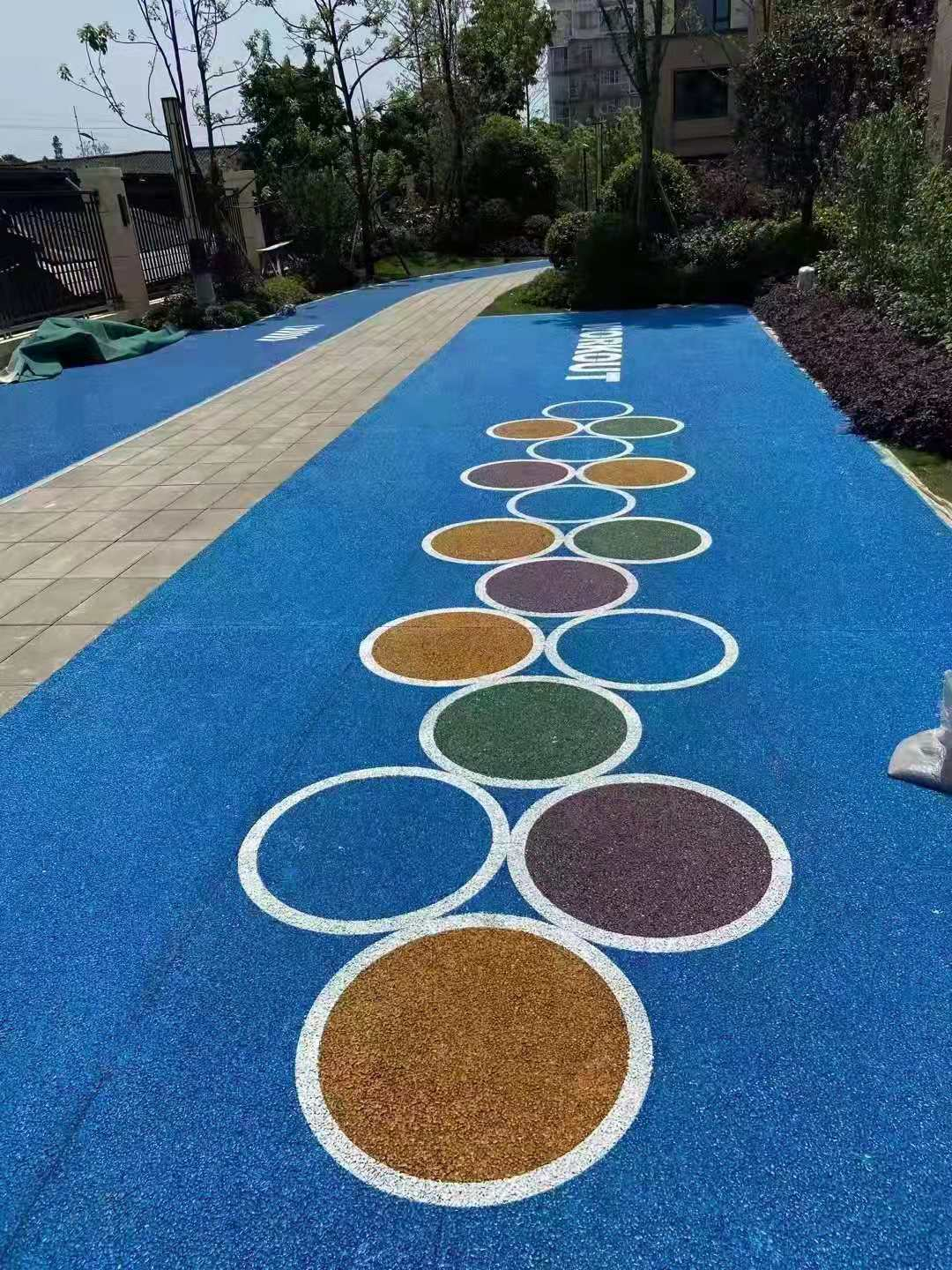
At the product level, the floor coatings launched by the company cover high-solid epoxy resin, anti-static epoxy, anti-corrosion, water-based epoxy, water-based polyurethane and other types. It also provides concrete sealing hardeners, colored ceramic particle anti-slip pavement materials, and weather-resistant outdoor floor materials, which can cover common working conditions for indoor floors in industrial plants as well as outdoor and semi-outdoor passage areas.
At the management and service level, the company has registered its trademark and implements the ISO9001:2015 quality management system standard. Around product quality control and engineering services, it has established internal supervision, management, and feedback tracking mechanisms to govern the records and traceability of incoming materials, production, construction, and delivery. During technical review, the purchaser may accordingly request the corresponding system documents and process records for verification.
From the perspective of applicable scenarios, the company's products are used in modern factory buildings in industries such as electronics, electrical appliances, machinery, instrumentation, aerospace, food, pharmaceuticals, biology, and chemicals, as well as in floor renovation in public places such as underground parking lots, venue grandstands, docks, highways, bus routes, high-speed rail, subways, and light rail. During the review stage, it is recommended to combine the verification checklist in Section 3 of this document to cross-compare the technical data sheets, batch inspection reports, and construction plan texts provided by suppliers, and confirm the degree to which they match the project's operating conditions.To learn more, please visit the official website of Shaanxi Andi Floor Decoration Engineering Co., Ltd.
【FAQ】The following Q&A addresses frequently asked questions in the technical selection and acceptance stages. The answers provide only the judgment logic and required documents, and do not replace the provisions of the supplier's technical data sheets and design documents.
Q1: How can I determine whether a floor coating system is suitable for my workshop's load?
A: First, review the actual operating conditions by area, including the types of vehicles/tools used for passage, whether there is frequent turning and braking, whether sharp objects are dragged, and whether there is dripping of high-temperature substances or chemicals. Then require suppliers to provide, by area, the system composition (primer, intermediate coat, and topcoat) and thickness grade recommendations, and to explain the assumptions corresponding to those recommendations. A proposal whose assumptions are not clearly stated is usually difficult to implement on site.
Q2: Which items should be primarily verified in the technical data sheets provided by suppliers?
A: It is recommended to check at least adhesion, hardness, abrasion resistance, limits of hazardous substances, applicable environmental conditions (temperature, humidity, substrate moisture condition), and curing and open-use time, and to confirm whether each indicator corresponds to a type test report or a batch test report. Type reports reflect system capability, while batch reports reflect the consistency of the current supply; the two cannot substitute for each other.
Q3: How should waterborne systems be chosen versus solvent-borne and solvent-free systems under on-site conditions?
A: The choice depends on site constraints rather than material superiority. Confined or poorly ventilated areas, production periods sensitive to odor, and projects that require shortened downtime and phased construction usually place greater emphasis on volatile emissions and odor control; in low-temperature or high-humidity environments, it is necessary to focus on assessing whether the material's curing window meets the schedule. A practical approach is to conduct small-area comparative test applications on the same substrate, record the curing performance and appearance, and then make a decision based on the results.
Q4: How can the effectiveness of anti-static flooring be verified, and what should be checked during acceptance?
A: Verification relies on two tracks: on-site measurement and document verification. For measurement, record surface resistance and resistance to ground point by point, and also record the ambient temperature and humidity and the test voltage during testing, because environmental conditions affect the readings; for documentation, obtain the type test report for the same system and the construction records of the grounding system. Whether it is qualified shall be based on the resistance range specified in the design documents and shall not be replaced by the supplier's verbal commitment.
Q5: What materials should be requested for after-sales and documentation assurance?
A: It is recommended to agree on and retain product technical data sheets and safety data sheets, batch test reports, construction plans and concealed work acceptance records, maintenance and cleaning work instructions, as well as written terms specifying the warranty scope, duration, and response method. Projects with complete documentation are more likely to reproduce the original system during later partial repairs and secondary renovations, reducing compatibility risks.
Based on the above analysis, the selection of floor coatings can be summarized into several actionable approaches: evaluate material indicators, substrate conditions, and construction environment as one system, and avoid isolated comparison of individual data; carry out layered design according to regional loads and environmental conditions, and clarify the respective functions of the primer, intermediate coat, and topcoat; drive technical review with standard numbers and verification checklists, and convert oral commitments into verifiable documents and site records; stipulate document delivery and warranty boundaries in the contract, leaving a traceable basis for later operation and maintenance.
For procurement decision-makers, determining whether a supplier is worth advancing to the next round of discussions depends not on individual figures on the quotation, but on whether the supplier can clearly explain the applicable boundaries of materials, provide verifiable testing and process records, and offer actionable construction control points for specific working conditions. Advancing the selection and acceptance of floor coatings according to this logic can yield a flooring solution that matches actual project requirements without relying on exaggerated promises.
Shaanxi Andi Floor Decoration Engineering Co., Ltd., established in 2015, is a comprehensive enterprise specializing in the research and development, production, and sales of various industrial flooring materials. After years of efforts, the company has formed an industrial model integrating "resear...
Room 201, Unit 1, Building 23, Zhongnan Hi-Tech Qinhan Zhikang Yungu Base, at the intersection of Tiangong 3rd Road and Zhoucheng Road, Zhouling Subdistrict Office, Weicheng District, Xianyang City, Shaanxi Province