Industrial floor coatings play a crucial role in maintaining the durability, safety, and aesthetics of facilities across various sectors. From manufacturing plants to warehouses, and from electronic factories to outdoor public spaces, the right floor coating solution can significantly enhance operational efficiency and reduce maintenance costs. This comprehensive guide explores the different types of industrial floor coatings, their applications, selection criteria, and maintenance tips, with a special focus on the offerings from Shaanxi Andy Floor Decoration Engineering Co., Ltd., a leading manufacturer in this field.
Understanding Industrial Floor Coatings
Industrial floor coatings are specialized materials applied to concrete floors to protect them from wear, chemical exposure, and environmental factors while improving their appearance. These coatings create a seamless, durable surface that can withstand heavy traffic, impact, and various operational challenges. The primary functions of industrial floor coatings include:
- Protection against abrasion, chemicals, and stains
- Enhancement of floor durability and lifespan
- Improvement of safety through slip resistance
- Aesthetic enhancement of the facility
- Easier cleaning and maintenance
Shaanxi Andy Floor Decoration Engineering Co., Ltd., established in 2015, has become a professional comprehensive enterprise specializing in the research, development, production, and sales of various industrial floor materials. With multiple production bases in Guangdong, Shaanxi, and Gansu provinces, and a nationwide network of distributors and partners, the company offers high-quality floor coating solutions tailored to diverse industrial needs.
Types of Industrial Floor Coatings
The company provides a wide range of industrial floor coatings, each designed for specific applications and environments. Let’s explore the main types:
1. High Solid Epoxy Resin Floor Coatings
These coatings are known for their excellent durability and chemical resistance. They contain a high percentage of solids, resulting in a thicker film build with fewer coats required. High solid epoxy coatings are ideal for:
- Manufacturing plants and workshops
- Warehouses and logistics centers
- Underground parking garages
- Laboratories and clean rooms
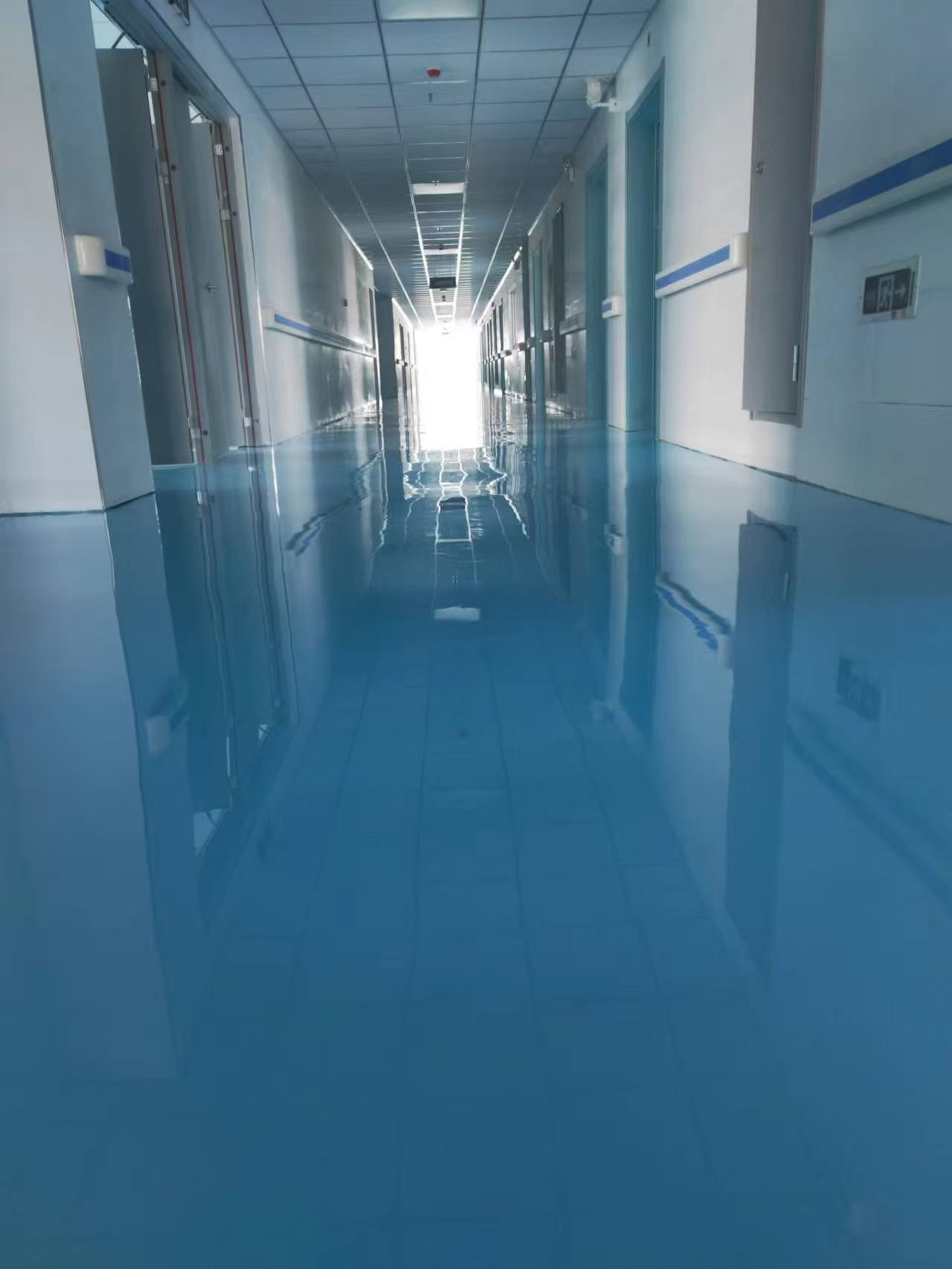
The advantages of high solid epoxy resin floor coatings include superior abrasion resistance, excellent adhesion to concrete, and resistance to a wide range of chemicals. They also provide a glossy finish that enhances the facility’s appearance while being easy to clean and maintain.
2. Anti-Static Epoxy Floor Coatings
In environments where static electricity can cause damage to sensitive electronic equipment or create safety hazards, anti-static epoxy floor coatings are essential. These coatings are formulated to dissipate electrostatic charges safely to ground. Key applications include:
- Electronics manufacturing facilities
- Computer rooms and data centers
- Pharmaceutical production areas
- Chemical processing plants
The anti-static properties of these coatings are achieved through the incorporation of conductive materials. They maintain their electrical properties throughout their service life while providing all the benefits of standard epoxy coatings, such as durability and chemical resistance.
3. Outdoor Floor Coatings
For exterior applications, Shaanxi Andy offers specialized outdoor floor coatings designed to withstand harsh weather conditions and UV exposure. These coatings are suitable for:
- Sponge city roads and park pathways
- Landscape squares and residential pedestrian areas
- Non-motor vehicle lanes and outdoor sports courts
- Ground graffiti areas and outdoor stands
Outdoor floor coatings from the company include water-based epoxy and polyurethane options that provide excellent color retention, UV resistance, and slip resistance. They are formulated to be weatherproof and can withstand temperature fluctuations without cracking or peeling.
4. Specialized Coatings
In addition to the main types, Shaanxi Andy also offers:
- Corrosion-resistant floor coatings for chemical plants
- Water-based epoxy coatings for environmentally sensitive areas
- Concrete seal hardeners for enhanced concrete durability
- Colorful ceramic particle anti-slip road surface materials
Selecting the Right Industrial Floor Coating
Choosing the appropriate floor coating for your facility involves considering several factors:
1. Environmental Conditions
Evaluate the temperature ranges, humidity levels, and exposure to chemicals or UV light in your facility. For example, outdoor areas require coatings with UV resistance, while chemical plants need highly corrosion-resistant solutions.
2. Traffic Load
Consider the type and volume of traffic the floor will endure. Heavy machinery requires more durable coatings than office spaces. The coating’s compressive strength and impact resistance are crucial for high-traffic areas.
3. Safety Requirements
Determine if you need slip-resistant surfaces or anti-static properties. Food processing areas may require coatings that meet specific hygiene standards, while electronics facilities need static control solutions.
4. Aesthetic Preferences
While functionality is paramount, the appearance of the floor also matters. Choose from various finishes (glossy, satin, or matte) and colors to complement your facility’s design.
5. Maintenance Needs
Consider how easy the coating is to clean and maintain. Some coatings may require special cleaning agents or periodic reapplication of topcoats to maintain their properties.
6. Budget Constraints
Balance your performance requirements with your budget. While high-performance coatings may have a higher initial cost, they often offer lower lifecycle costs due to their durability and reduced maintenance needs.
| Coating Type | Key Features | Ideal Applications |
|---|---|---|
| High Solid Epoxy | Durable, chemical-resistant, glossy finish | Factories, warehouses, parking garages |
| Anti-Static Epoxy | Conductive, dissipates static charges | Electronics manufacturing, clean rooms |
| Water-Based Epoxy | Low VOC, environmentally friendly | Indoor areas with ventilation concerns |
| Outdoor Polyurethane | UV-resistant, weatherproof | Exterior walkways, sports courts |
Application Process of Industrial Floor Coatings
Proper application is crucial for achieving the best performance from your industrial floor coating. While professional application is recommended, understanding the process can help you oversee the project effectively:
1. Surface Preparation
The concrete surface must be thoroughly cleaned, repaired, and prepared. This typically involves:
- Removing existing coatings or contaminants
- Repairing cracks and spalling
- Diamond grinding or shot blasting to create a proper profile
- Ensuring the surface is dry and free of moisture issues
2. Primer Application
A primer is applied to enhance adhesion between the concrete and the coating system. The type of primer depends on the specific coating being used and the condition of the concrete.
3. Base Coat Application
The main coating material is applied, typically using rollers or spray equipment. For epoxy coatings, this may involve mixing two components (resin and hardener) immediately before application.
4. Broadcast of Aggregates (if required)
For slip-resistant or textured finishes, aggregates may be broadcast onto the wet base coat.
5. Top Coat Application
A clear top coat is often applied to provide additional protection, enhance chemical resistance, and improve the floor’s appearance. Some systems may use the same material for both base and top coats.
6. Curing Time
Allow adequate curing time before putting the floor into service. This can range from 24 hours to several days, depending on the coating type and environmental conditions.
Maintenance Tips for Industrial Floor Coatings
Proper maintenance can significantly extend the life of your industrial floor coating and maintain its appearance and performance:
1. Regular Cleaning
Sweep or dust mop daily to remove abrasive particles. Periodic wet mopping with a neutral cleaner is recommended. Avoid using harsh chemicals that may damage the coating.
2. Immediate Spill Cleanup
Clean up chemical spills immediately to prevent potential damage to the coating. Refer to the coating manufacturer’s guidelines for specific chemical resistance information.
3. Protect from Heavy Impacts
Use protective mats or pads under heavy equipment or pallets to prevent indentation or gouging of the coating surface.
4. Periodic Inspections
Regularly inspect the floor for signs of wear, such as thinning, discoloration, or loss of gloss. Address any issues promptly to prevent further deterioration.
5. Recoating Schedule
Follow the manufacturer’s recommendations for recoating intervals. Some coatings may require periodic application of a top coat to maintain their protective properties.
FAQ
What is the difference between solvent-based and water-based epoxy floor coatings?
Solvent-based epoxy coatings contain organic solvents that help thin the resin for easier application. They typically have a strong odor and higher VOC (volatile organic compound) content. Water-based epoxies, on the other hand, use water as the primary carrier, resulting in lower VOC emissions and less odor. Water-based epoxies are often preferred for indoor applications where ventilation may be limited or where environmental regulations restrict VOC emissions.
How long does it take for an epoxy floor coating to cure completely?
The curing time for epoxy floor coatings varies depending on the specific product, ambient temperature, and humidity levels. Generally, light foot traffic is possible after 24 hours, but full chemical resistance and hardness may take 5-7 days. Some rapid-cure epoxy formulations can achieve full cure in as little as 24-48 hours under optimal conditions. Always refer to the manufacturer’s technical data sheet for specific curing times.
Can epoxy floor coatings be applied over existing tile or vinyl floors?
While it’s technically possible to apply epoxy coatings over some existing flooring materials, it’s generally not recommended. The best practice is to remove the existing flooring and properly prepare the concrete substrate before applying epoxy. This ensures proper adhesion and long-term performance of the coating system. In some cases, a self-leveling underlayment may be used to create a smooth surface over uneven existing floors before epoxy application.
What is the expected lifespan of an industrial epoxy floor coating?
The lifespan of an industrial epoxy floor coating depends on several factors, including the quality of the product, proper installation, the level of traffic and abuse, and maintenance practices. With proper care, a high-quality epoxy floor coating in a moderate-traffic industrial environment can last 5-10 years or more. In heavy-duty applications with frequent forklift traffic, the lifespan may be shorter, typically 3-5 years before recoating is needed.
Are anti-static epoxy floor coatings effective for all types of static control needs?
Anti-static epoxy floor coatings are designed to dissipate electrostatic charges safely to ground, making them suitable for many environments where static control is important. However, the level of static control required varies by application. For critical electronics manufacturing or clean room environments, a more sophisticated static control system involving conductive floors, grounding points, and personnel grounding may be necessary. Always consult with a static control expert to determine the appropriate solution for your specific needs.
Summary
Industrial floor coatings are essential investments for facilities seeking to protect their concrete floors, enhance safety, and improve aesthetics. Shaanxi Andy Floor Decoration Engineering Co., Ltd. offers a comprehensive range of high-quality floor coating solutions, including high solid epoxy, anti-static epoxy, water-based options, and specialized outdoor coatings. By understanding the different types of coatings, their applications, and proper selection criteria, facility managers can make informed decisions that result in durable, functional, and visually appealing floors.
The company’s commitment to technological innovation, quality control, and comprehensive service ensures that customers receive not just products but complete flooring solutions tailored to their specific needs. With ISO9001:2015 certification and a focus on sustainable development, Shaanxi Andy is well-positioned to serve clients across various industries, from electronics and pharmaceuticals to construction and public infrastructure.
For those considering industrial floor coatings, partnering with a reputable manufacturer like Shaanxi Andy can provide peace of mind, knowing that you’re getting high-quality products backed by professional expertise and support throughout the entire process, from selection to application and maintenance.