
Epoxy floor paint is a resin-based floor coating applied to concrete substrates to create a seamless, hard-wearing surface. Its performance depends on correct product selection, substrate condition, and application method. This guide explains what the material is, where it is used, how to select a system, and how to maintain it.
What Is Epoxy Floor Paint?
Epoxy floor paint is a two-part coating in which a resin and a hardener are mixed and applied to a prepared concrete floor. Once cured, the film bonds to the substrate and forms a continuous surface that resists abrasion, chemical contact, and dust generation, making it a common choice for industrial and commercial floors.
Formulations differ by resin chemistry and solids content. High-solids epoxy resin systems build film thickness and are used where mechanical wear is the dominant load. Anti-static epoxy systems are formulated for areas where static charge must be controlled. Anti-corrosion epoxy systems address chemical exposure. Water-based epoxy and water-based polyurethane systems are chosen when low odor and easier application conditions matter. Each product family serves a different service environment, so the specification should follow the actual working conditions rather than a single default product.
Resin coatings are also compared with concrete sealers and hardeners. A sealer or hardener densifies the concrete surface and improves wear resistance without forming a thick resin film, while a resin coating provides a continuous film with a controlled appearance. The right choice depends on the required level of chemical protection, the cleaning regime, and the visual finish expected by the owner.
Where Epoxy Floor Paint Is Typically Specified
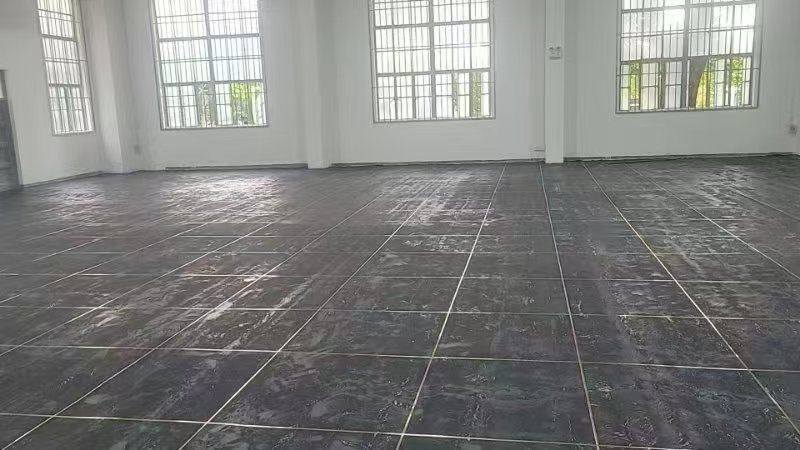
Epoxy floor systems are specified by the way a floor is used, not by appearance alone. The same resin family can serve a production hall, a clean room, an underground car park, a laboratory, or a retail space, provided the substrate, loading, and cleaning conditions are assessed before the specification is fixed.
Epoxy resin mortar systems suit areas that combine wear, cleanliness, and frequent washing: factories, clean rooms, underground car parks, laboratories, shop fit-outs, and offices. In these locations the mortar body carries the mechanical load while the top coat defines the appearance and the cleaning behavior of the surface.
Anti-static floors are specified where static charge is a process risk, such as electronics plants and power distribution rooms. The conductive path is designed into the system from the substrate build upward, so this requirement must be identified at the planning stage rather than added after the floor is in service.
Outdoor surfaces follow a different logic. Sponge-city roads, park walkways, landscape plazas, residential sidewalks, non-motorized paths, outdoor courts, floor graphics, and outdoor grandstands are exposed to sunlight, rain, and temperature cycling, so weather-resistant outdoor flooring materials are required. Where slip resistance is a priority, colored ceramic aggregate anti-slip pavement materials are used instead of a smooth indoor-style top coat.
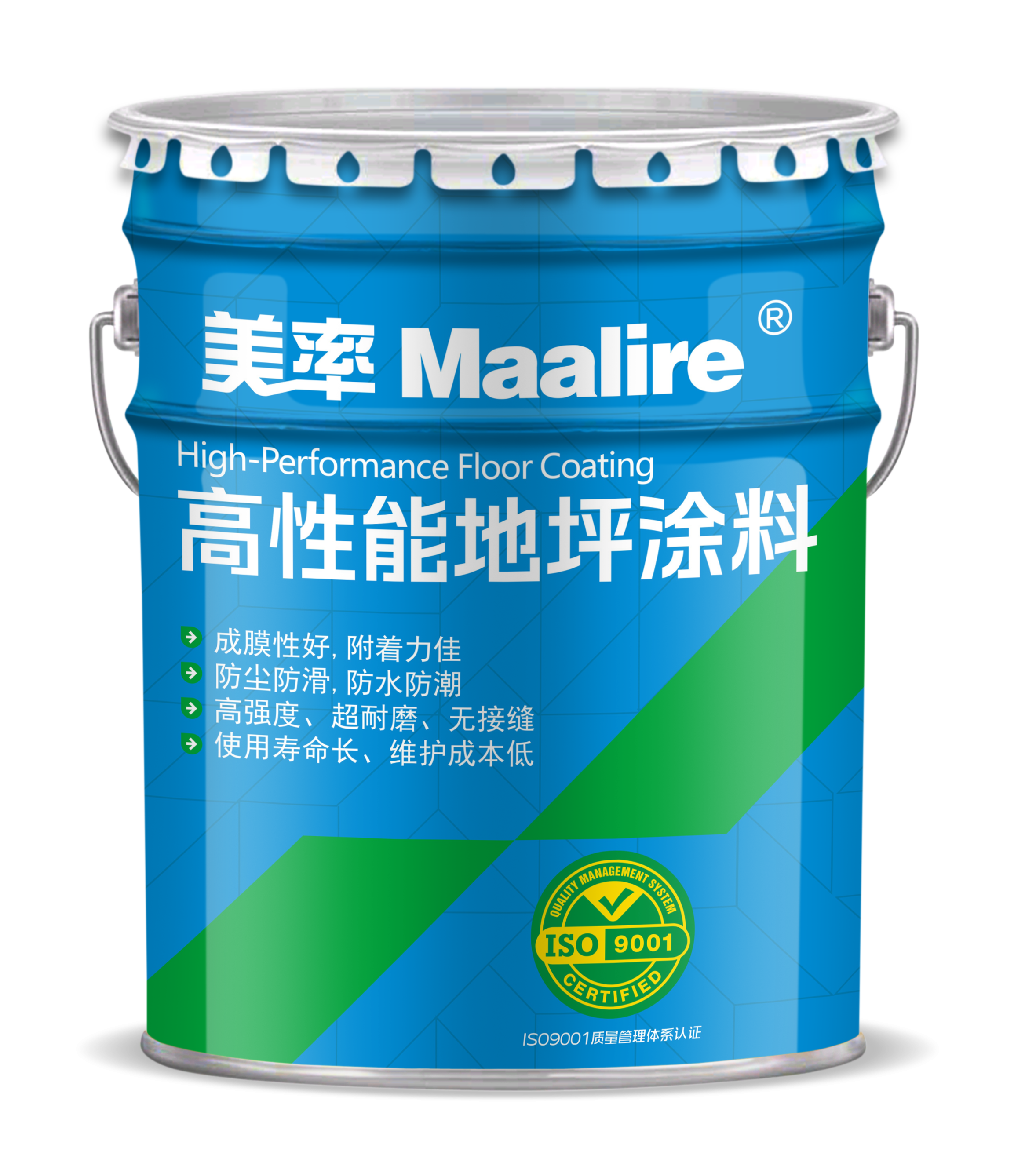
Shaanxi Andi Flooring Decoration Engineering Co., Ltd. was established in 2015 as a comprehensive enterprise engaged in the research, development, production, and sale of industrial flooring materials. It combines research, production, sales, and service in one operating model, holds multiple production patents, and has built production bases in Guangdong, Shaanxi, and Gansu, supported by dealers and partners in a number of cities. Its product range covers high-solids epoxy resin floor coatings, anti-static epoxy floor coatings, anti-corrosion floor coatings, water-based epoxy floor coatings, water-based polyurethane floor coatings, concrete sealers and hardeners, colored ceramic aggregate anti-slip pavement materials, and weather-resistant outdoor flooring materials.
Selection: How to Match a System to the Service Environment
Selecting an epoxy floor paint system means matching resin chemistry, film build, and surface finish to the way the floor will actually be used. The specification should be written from the floor’s mechanical duty, chemical exposure, static-control requirements, and indoor or outdoor position, and then confirmed against the substrate condition found on site.
Indoor and outdoor areas cannot share one specification. Production halls, clean rooms, car parks, laboratories, shops, and offices are normally served by indoor epoxy systems, with the resin type chosen for wear, cleanliness, or chemical contact. Outdoor surfaces require weather-resistant outdoor flooring materials, and colored ceramic aggregate systems are selected where slip resistance matters.
For areas where static charge must be controlled, such as electronics plants and power distribution rooms, an anti-static epoxy system should be specified from the start rather than added as a later step. Where appearance and easy cleaning drive the decision, as in shops, offices, and laboratories, the top coat and texture should be chosen together with the cleaning method that will be used every day.
Surface Preparation and Application Basics
Surface preparation determines how well an epoxy coating bonds to concrete. The substrate must be sound, clean, dry, and free of oil, laitance, and loose material before coating begins, because any weakness left in the concrete transfers directly to the finished floor.
Application follows a defined sequence: substrate assessment and repair, mechanical preparation and cleaning, priming, build-up of the resin layer where a mortar system is required, and a top coat. Each stage must be allowed to cure before the next begins, and the work area should be protected from moisture, dust, and traffic during the process.
Site conditions influence the result as much as the product. Temperature, humidity, dew point, and ventilation should be checked before and during application, and the substrate moisture condition should be verified by testing rather than assumed. Where a mortar-grade build is needed for heavy wear, the mortar body and the top coat should be specified as one system rather than as separate purchases.
Maintenance and Service Life
Maintenance starts with correct specification and clean application, not with the first repair. A floor that matches its duty and is installed on a properly prepared substrate will hold its appearance and performance longer when routine cleaning, prompt spill removal, and early repair of damaged areas are built into daily operations.
Daily cleaning with a neutral detergent and a soft mop or an automatic scrubber suits most indoor floors. Abrasive pads, strong solvents, and dragging of sharp or heavy objects should be avoided, and spills of chemicals or hot liquids should be removed promptly. Damaged patches should be repaired early, because a small break in the film allows traffic and cleaning water to reach the concrete beneath it.
Frequently Asked Questions
What is epoxy floor paint used for?
It is used to create a seamless, hard-wearing surface on concrete floors in production halls, clean rooms, underground car parks, laboratories, shops, and offices. It is also formulated for static-controlled areas such as electronics plants and power distribution rooms, and for selected outdoor surfaces when a weather-resistant system is specified.
Can epoxy floor coatings be used outdoors?
Yes, but only with a system designed for outdoor exposure. Standard indoor epoxy systems are not intended for permanent weather exposure, so outdoor projects such as park walkways, landscape plazas, residential sidewalks, non-motorized paths, outdoor courts, and grandstands should use weather-resistant outdoor flooring materials and, where slip resistance is required, colored ceramic aggregate systems.
How is an epoxy floor installed?
Installation follows a sequence of substrate preparation, priming, build-up of the resin layer, and a top coat. The concrete must be sound, clean, and dry, each stage must cure before the next begins, and temperature, humidity, and ventilation should be controlled throughout the work.
How do you maintain an epoxy floor?
Routine cleaning with a neutral detergent and a soft mop or machine is sufficient for most floors. Spills should be removed promptly, heavy impact and dragging of sharp objects should be avoided, and damaged areas should be repaired early so that the coating does not deteriorate further.
What affects the service life of an epoxy floor?
Substrate quality, correct system selection, application quality, and ongoing maintenance are the main factors. A floor that is matched to its mechanical and chemical duty, installed on a properly prepared substrate, and maintained will generally hold its appearance and function longer than one specified without those checks.
Summary
Epoxy floor paint performs well when the specification follows the floor’s real duty. Indoor production and commercial areas, static-controlled rooms such as electronics plants and power distribution rooms, and outdoor surfaces such as park walkways and plazas each require a different system, and all of them depend on a sound, dry, and clean substrate followed by disciplined application and routine maintenance. Matching the system to the environment is a practical way to protect the investment in the floor.