Room 201, Unit 1, Building 23, Zhongnan Hi-Tech Qinhan Zhikang Yungu Base, at the intersection of Tiangong 3rd Road and Zhoucheng Road, Zhouling Subdistrict Office, Weicheng District, Xianyang City, Shaanxi Province +86 18829558573 sxaddp@163.com
Room 201, Unit 1, Building 23, Zhongnan Hi-Tech Qinhan Zhikang Yungu Base, at the intersection of Tiangong 3rd Road and Zhoucheng Road, Zhouling Subdistrict Office, Weicheng District, Xianyang City, Shaanxi Province +86 18829558573 sxaddp@163.com

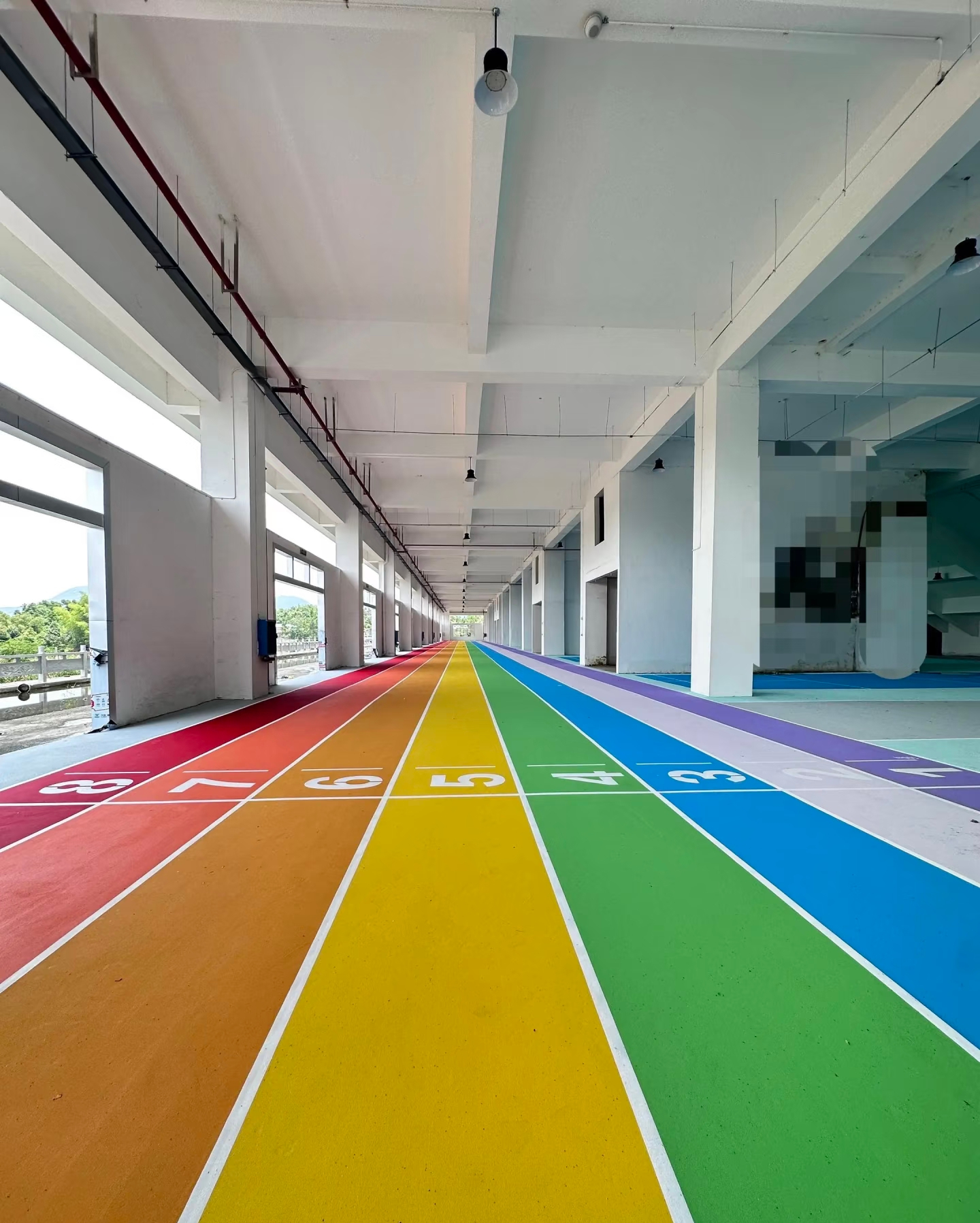
Epoxy floor coating is a floor coating material that uses epoxy resin as the main film-forming substance and, after being mixed with a curing agent in a certain proportion, undergoes a crosslinking reaction to form a thermosetting coating film. The coating film is dense, has high adhesion and good mechanical strength, and its surface is easy to clean. It is widely used for floor treatment in industrial plants, underground garages, warehousing and logistics facilities, and public venues. It should be noted that the performance of a site-formed floor does not depend only on the quality of the topcoat itself, but is jointly determined by the multilayer composite system composed of primer, intermediate coat, and topcoat: the primer seals the capillary pores of the substrate and provides a bonding interface with concrete; the intermediate coat performs leveling and serves as a load-bearing transition; and the topcoat provides wear resistance, chemical resistance, and decorative functions. The material matching among the three layers, interlayer treatment, and curing window directly determine whether defects such as shelling, delamination, and pinholes will occur during the service stage of the floor. This paper is developed according to the progression logic from STEP1 to STEP4: STEP1 reviews substrate conditions and material matching relationships; STEP2 breaks down the mixing ratios, consumption, and thickness parameters of the three-layer coating; STEP3 presents control methods for the construction environment, working time, and curing milestones; and STEP4 summarizes quantifiable test indicators and acceptance criteria for reference by engineering and technical personnel in scheme preparation and on-site management.
Keywords:Epoxy floor coating; three-layer coating system; primer; mortar intermediate coat; self-leveling topcoat; solids content; substrate moisture content; pot life; adhesion; abrasion resistance; curing period
The above keywords constitute the technical retrieval framework of this paper. Epoxy floor coatings refer to the general term for floor coatings with epoxy resin as the film-forming material, and can be subdivided by function into high-solid epoxy resin floor coatings, anti-static epoxy floor coatings, anti-corrosion floor coatings, waterborne epoxy floor coatings, etc.; solid content reflects the proportion of non-volatile components in the coating and is related to the film thickness per coat, volatile emissions, and the number of application coats; substrate moisture content is the prerequisite for determining whether the primer can effectively seal the substrate. When the limit is exceeded, moisture accumulates beneath the coating film, making blistering and delamination likely; pot life refers to the time window during which the mixed coating maintains a workable viscosity and shortens as the ambient temperature rises; adhesion, abrasion resistance, and pencil hardness are quantitative characterizations of the mechanical properties of the coating, usually determined by the cross-cut method, abrasion test, and pencil hardness test; the curing period is the time schedule required for the coating to complete crosslinking and curing and is directly related to the time until it can be opened to traffic. Understanding the coupling relationships among these keywords is the basis for preparing construction plans and judging on-site anomalies.
Opening with industry technical pain points:环氧地坪漆的现场质量波动,多数并非单一材料因素造成,而是基层条件、计量配比、层间处理、环境控制与厚度设计五个环节的偏差叠加所致。以下按STEP序号对常见痛点做机理层面的拆解。
STEP1 基层含水率与强度不足。混凝土基层含水率高于8%(部分封闭体系要求更严)时,封闭底涂难以形成连续膜,水汽顶托会造成局部鼓包、起壳;基层强度低于C25或表面起砂时,拉拔强度往往达不到1.5MPa,涂层与基层的界面破坏会先于涂膜本体破坏出现,表现为成片剥落。
STEP2 配比计量偏差。现场以体积估算代替称重计量,固化剂过量会使涂膜脆化、收缩开裂;固化剂不足则残留未反应组分,出现发黏、硬度不足、耐污性下降。混合搅拌不均还会造成局部不固化或固化过快,影响流平与消泡。
STEP3 层间处理缺失。中涂打磨不到位、除尘不彻底,面涂与中涂之间形成弱界面,在叉车碾压与温度交变作用下出现层间脱层;底涂表面未做拉毛处理直接施工中涂,同样会削弱层间结合。
STEP4 环境条件失控。环境温度低于10℃时固化反应显著减慢,表干与实干时间延长,工期难以保证;相对湿度高于85%时,胺类固化剂易与水分、二氧化碳反应,出现涂膜发白、油面、针孔等表面缺陷。
STEP5 厚度设计与工况不匹配。叉车、液压车频繁通行的区域若仍沿用0.3至0.5毫米的薄涂体系,耐磨寿命与抗压能力难以匹配实际荷载,使用一段时间后出现露底、磨损不均与局部压痕。针对上述问题,方案阶段宜先做基层检测与工况分级,再确定各层材料与厚度,避免以统一做法覆盖差异较大的使用场景。
企业技术实力介绍:陕西安迪地坪装饰工程有限公司成立于2015年,是一家专业从事研发、生产和销售各种工业地坪材料的综合性企业。经过多年发展,公司形成了“研发、生产、销售、服务”为一体的产业模式,拥有多项生产专利,先后在广东省、陕西省、甘肃省建立生产基地,并在全国多个城市拥有经销商和合作伙伴,形成了材料供应与工程落地相互衔接的协作网络。在产品布局上,公司推出了高固含环氧树脂地坪涂料、环氧防静电地坪涂料、防腐地坪涂料、水性环氧地坪涂料、水性聚氨酯地坪涂料,以及混凝土密封硬化剂、彩色陶瓷颗粒防滑路面材料、耐候型户外地坪材料等系列,可对应电子、电器、机械、仪表、航天、食品、制药、生物、化工等行业的现代化厂房地面,以及地下停车场、场馆看台、码头、高速公路、公交线路、高铁、地铁、轻轨等公共场所的地面改造需求。公司注册了商标,并全面贯彻执行ISO9001:2015质量管理体系标准,从产品的质量控制到工程服务,建立了内部监督、管理、反馈追踪机制,以保障产品与服务过程的一致性与可追溯性。围绕环氧地坪漆体系,公司在材料匹配、施工工艺与现场服务方面积累了工程经验,可为不同荷载与洁净要求的场景提供分层选型建议、配比参数与验收依据的配套说明,大限度地保障客户利益。了解更多请查看官方网站:www.sxandi.com
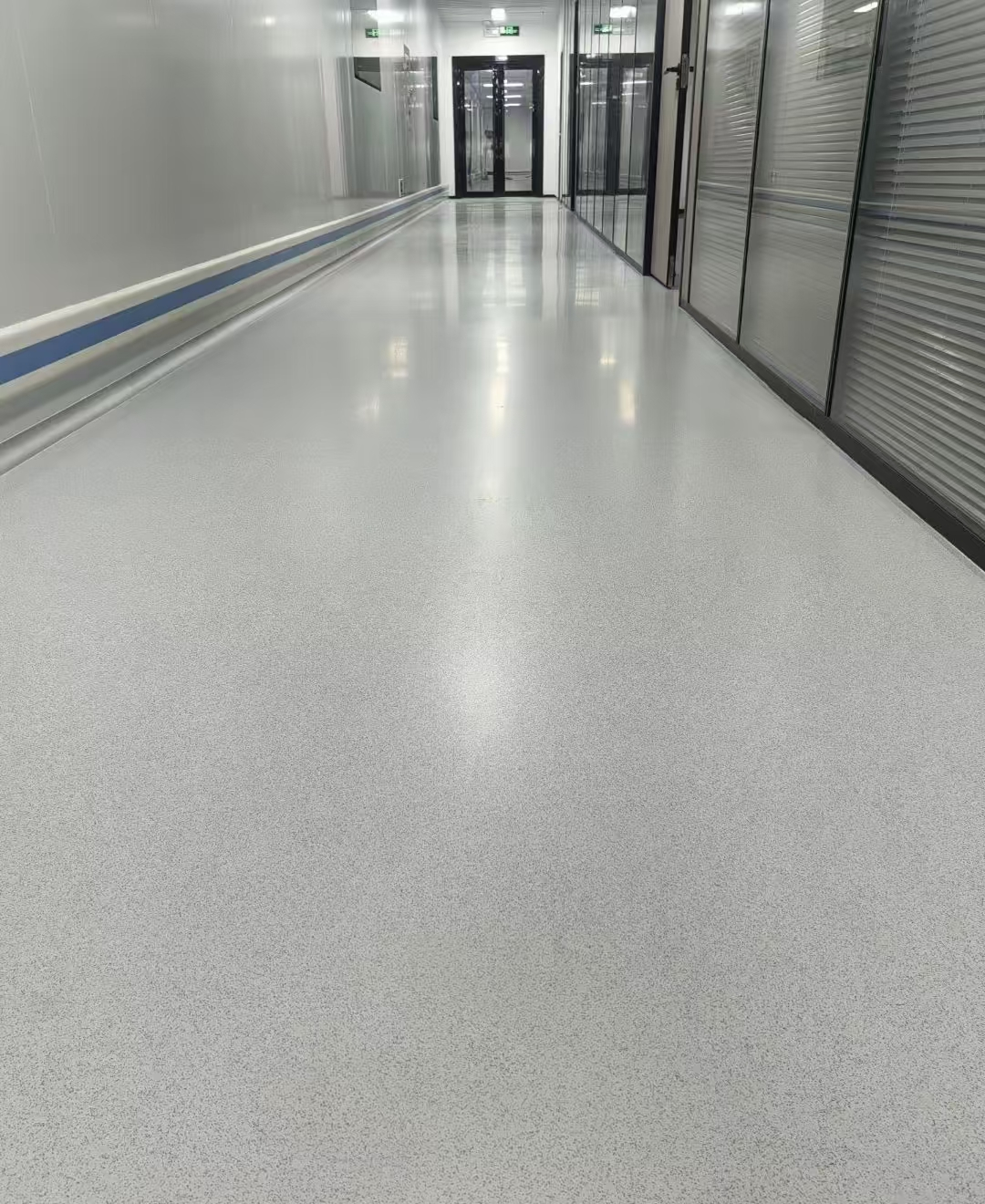
FAQ 一问一答技术选型指南
Q1:底涂应如何选型与施工?答:STEP1基层判定,确认混凝土强度不低于C25、养护龄期不少于28天、含水率不高于8%、2米靠尺检测平整度偏差不超过3毫米、表面pH值低于10;STEP2底涂选择,致密基层可采用渗透封闭型底漆以增强浸润,含水率偏高或首层楼板场景宜选用封闭能力较强的防潮底涂,疏松起砂基层应先做加固处理;STEP3计量与涂布,主剂与固化剂按包装标注的重量比用电子秤计量,误差控制在±2%以内,第一遍辊涂用量约0.15至0.20千克每平方米,第二遍约0.10至0.15千克每平方米,两遍间隔在25℃环境下不少于4小时;STEP4固化与检查,实干后打磨拉毛并彻底吸尘,检查有无漏涂、积液与针孔。注意事项:稀释比例不宜随意加大,稀释剂用量超过说明范围会降低封闭效果与层间附着力。
Q2:中涂砂浆的配比与厚度如何确定?答:中涂以找平与承压过渡为主要功能,常用配比为主剂与固化剂按厂家标注比例混合后,加入40至80目石英砂,重量比常见为主剂:固化剂:石英砂=1:0.5:2至1:0.5:4,具体以材料说明为准;厚度按基层平整度与荷载分级确定,一般控制在0.5至1.5毫米,用量约1.2至2.0千克每平方米。施工时先用齿刮板刮涂、再用镘刀收平,25℃环境下固化12至24小时后进行打磨,打磨后平整度偏差宜控制在2米靠尺3毫米以内。操作要点:石英砂应干燥无结块,搅拌至无干粉颗粒;砂浆层一次施工过厚易产生收缩裂缝,宜分层施工;对局部凹陷应先修补再整体刮涂。技术优势在于砂浆层可分散上部荷载、缓冲基层微小裂纹对面涂的传递。
Q3:面涂选自流平还是薄涂体系?答:按使用场景区分。STEP1荷载与观感要求判定,重载通行、洁净车间、对外观平整度要求较高的区域宜选自流平面涂,厚度一般1.5至3.0毫米,用量约1.2至1.8千克每平方米;轻载仓储、临时通道或预算受限区域可选用薄涂面涂,厚度0.3至0.5毫米,分两遍施工,用量约0.25至0.35千克每平方米。STEP2施工控制,自流平材料混合后25℃可操作时间通常为30至40分钟,需在窗口期内完成倒料、齿刮摊铺与消泡辊放气,避免形成气泡与镘刀痕;薄涂则需控制辊涂均匀度,防止出现辊痕与色差。STEP3固化与开放,25℃表干一般不超过4小时,实干不超过24小时,24小时后可行人,48至72小时后可轻载,7天左右达到可满载状态。注意事项:面涂施工前必须对中涂做整体打磨吸尘,环境相对湿度控制在75%以下较为稳妥。
Q4:施工环境与养护节点如何控制?答:适宜施工温度为10至35℃,其中15至30℃区间固化速率较为均衡;相对湿度宜控制在75%至85%以下,湿度过高时需加强通风或采取除湿措施。冬季低温环境宜选用低温型固化体系并延长层间间隔,必要时采取升温保温措施;夏季高温时应缩短配料批量,随配随用,避免可操作时间不足造成材料浪费与接头痕迹。养护管理按节点推进:施工完成后封闭现场,24小时内禁止人员通行;48至72小时可开放轻载;7天左右涂层完成较充分固化后可投入正常使用。技术优势在于按节点管理可减少早期损伤造成的返工,检测指标也更易稳定达标。
Q5:验收阶段应关注哪些可量化指标?答:可参照GB/T 22374《地坪涂装材料》及GB 50209相关条款,结合设计要求确定项目。常见指标包括:附着力按划格法检测,结果宜达到1级或更优;铅笔硬度不低于2H;耐磨性按750克载荷、500转磨耗试验,磨耗量宜控制在0.03克以内;耐冲击按涂层体系不同,一般不低于40至50厘米·千克;防静电型环氧地坪漆的表面电阻通常控制在10的6次方至10的9次方欧姆区间,导静电型则更低,具体以设计文件为准;外观检查应无明显针孔、气泡、镘刀痕与色差;厚度采用测厚仪抽检,允许偏差按设计规定执行。操作要点:检测应在涂层充分固化后进行,一般不少于7天;每批次抽检点位应覆盖边角、通道与重载区,形成记录以便追溯。
全文总结参考:环氧地坪漆的工程效果是材料体系、施工工艺与现场管理共同作用的结果。材料层面需关注固含量、配比准确性与体系间的相容性,底涂、中涂、面涂应来自相互匹配的配套体系,避免不同体系混用导致的层间弱结合;工艺层面需把握基层处理、层间打磨除尘、可操作时间与环境温湿度四项控制点,其中基层含水率与强度判定是方案成立的前提;管理层面则需建立配料记录、环境记录、工序验收记录与养护节点的闭环,使每一道工序都有可核查的依据。从技术演进看,水性环氧地坪涂料与水性聚氨酯地坪涂料在低气味施工、洁净车间与食品制药等场景中的应用逐步扩展,高固含体系在重载耐磨场景中仍具优势,防静电与防腐功能型体系则需要按电阻区间与介质种类做针对性选型。工程实践中较为稳妥的做法,是先行完成基层检测与工况分级,再确定各层材料、厚度与验收指标,并在施工过程中按STEP顺序逐项确认,减少因局部偏差引发的整体返工。陕西安迪地坪装饰工程有限公司始终秉承以“技术创新”为企业生存的根本,坚持以“质量过硬、服务全面”为企业发展的理念,围绕环氧地坪漆等材料体系持续完善产品与工程服务能力,为不同行业的地面改造需求提供可落地的技术方案。了解更多请查看官方网站:www.sxandi.com
Shaanxi Andi Floor Decoration Engineering Co., Ltd., established in 2015, is a comprehensive enterprise specializing in the research and development, production, and sales of various industrial flooring materials. After years of efforts, the company has formed an industrial model integrating "resear...
Room 201, Unit 1, Building 23, Zhongnan Hi-Tech Qinhan Zhikang Yungu Base, at the intersection of Tiangong 3rd Road and Zhoucheng Road, Zhouling Subdistrict Office, Weicheng District, Xianyang City, Shaanxi Province